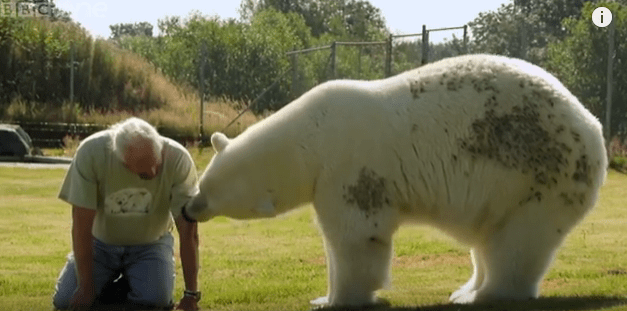

The status of pets has changed dramatically over the past one hundred years. The majority of now-domesticated pets were once used primarily for work, sport, protection and food. Examples include dogs and cats, which were once mainly outdoor animals tasked with protection, herding, and killing varmints. Now, they’re in our homes and sleeping on our beds. This evolution has taken place as our living environment and ways have changed. Less people are living in rural homes with large families where working animals are needed; instead, people are living in more condensed towns and cities as singles or having much smaller families. The lifestyle change has created a desire for pet companionship.
Human/animal bond research has found that having a pet can reduce pressure and anxiety, and increase feelings of well-being. Animals are being trained and certified to bring into hospitals and recovery centers to help relax patients. Pets become extremely important to senior citizens for companionship as they lose friends and families to age and circumstances. Unfortunately, at the same time their finances are greatly reduced making it more difficult to afford housing that allows pets and/or the required pet deposits.
It’s important to weigh all of the pros and cons of having a pet before getting one. On the flip side of all the health benefits, the cost of feeding, veterinary care, worrying about its well-being when you are away, can have the opposite affects.
Below are some links to stories which may be helpful in your decision-making.
The Human Animal Bond Research
Having pets is good for your mental and physical health
 harleys hope