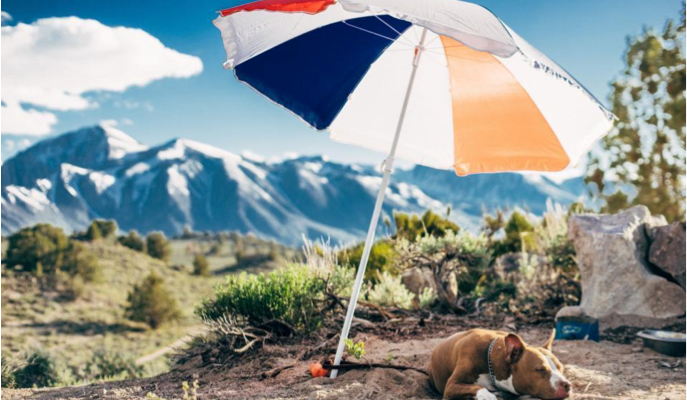

If you are new to Colorado, it’s likely the first thing you noticed is it’s a little harder to breathe up here. Colorado Springs is 6,000 feet above sea level and, depending where you go, you could find yourself more than 14,000 feet up. With low average humidity and a high average UV index, it can feel like you’re half way to the sun. Add to that a lower concentration of oxygen and you may find yourself feeling nauseous, tired, woozy, or just not quite yourself. But did you realize your pet may also be feeling the effects?
Some animals, like some humans, are more intolerant of altitude changes. Age, physical conditioning, species, and breed all play a role in how your pet will react. In general, a younger pet will fare a bit more easily than a senior one. A pet used to physical activity may need to take it a bit slowly to begin with but will quickly adapt. For specific information of how altitude may affect your specific pet species or breed, it’s best to consult a veterinarian. The important thing to remember is every animal is individual and will adapt at his or her own pace.
Pets are usually a bit more resilient than humans, mostly feeling the effects of altitude above 8,000 feet, but that doesn’t mean all animals will react the same. At higher altitudes, some animals can experience vomiting, headaches, and fluid build-up in their lungs and brain. Your pet may exhibit lethargy, excessive panting, or abnormal behavior. They may drool, run a fever, or even lose balance and coordination. If you notice these symptoms, make a vet appointment right away. In most cases, altitude sickness will resolve itself but some of the more severe cases may require medication.
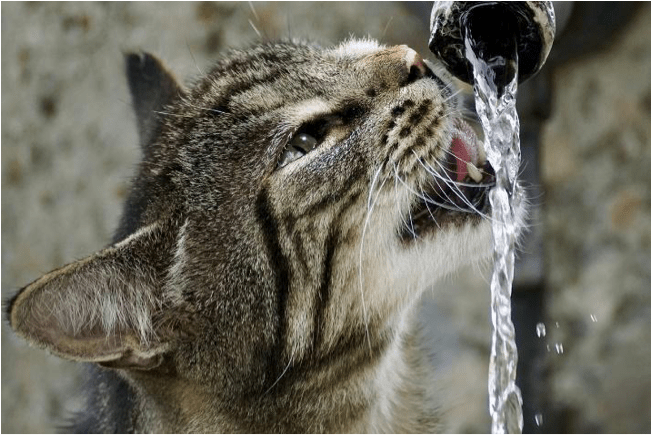
The good news is you will both adjust over the course of a few months. It’s imperative to take it easy, build up to your normal activity level, and keep an eye on Fido. Provide lots of opportunities for rest and offer plenty of water. Animals do not always instinctively drink when dehydrated so finding ways to sneak a bit more water into their diet is important. It may be a good idea to switch from a dry to a wet food to help increase water intake. If your pet is struggling, consider not taking them along on a ride up into the mountains. If you do take them, go slowly, rest often, keep a close eye for symptoms and stop ascending if any new symptoms exhibit. When it comes to altitude adjustment, patience is key. And never underestimate the healing power of a little extra love and pets.
 harleys hope