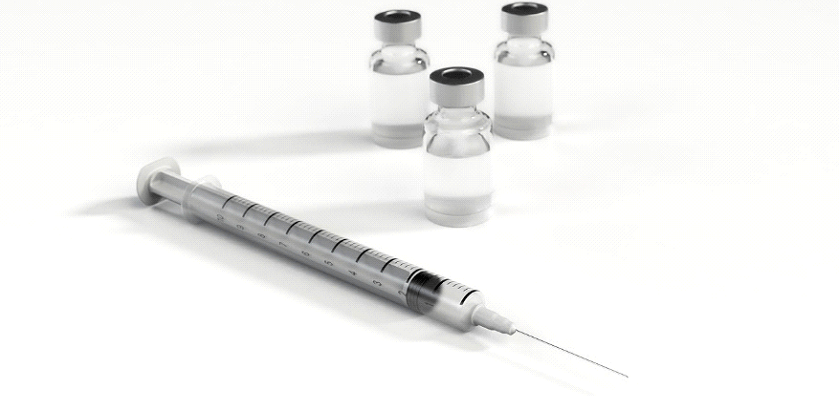

August is National Immunization Awareness Month which means now is a good time to review your pet’s health records. Keeping on top of all of the vaccinations your pet may need can be tricky. Some shots are good for only one year, and some are good for up to three. If your pet has regular contact with other pets, additional shots may be warranted. An internet search of “what vaccines does my pet need?” can turn up a whole laundry list of recommendations. The best source is, of course, your veterinarian, but listed below are some of the more important ones.
Rabies (cats and dogs) – Without a doubt, this is the most important vaccine out there. Like most states, Colorado requires a rabies vaccine be administered for your pet to be legally licensed. Rabies exposure is fatal for any pet not previously vaccinated. This shot is usually given around 3 months of age with follow up boosters at either one or three year intervals, depending on the dosage.
Distemper (cats and dogs) – Distemper is a virus which affects a dog’s respiratory system while feline distemper primarily affects a cat’s gastrointestinal system. It is highly contagious in both species and can case major distress or death. Distemper vaccines are given as a series of at least 3 doses, spaced several weeks apart, with a yearly booster.
Parvovirus (dogs) – This is a severely contagious viral disease which can often lead to death, especially in puppies. Like the distemper vaccine, this one is given as a series to puppies between 6 and 16 weeks, and then as an annual booster.
Feline Leukemia Virus (cat) – This virus is transmitted cat to cat and can cause cancer. Although this is considered a “non core” vaccine, if you have multiple cats, or if your cat ventures outside, it is an important one. It is administered as a set of 2 shots, with a booster every 2 years.
Bordatella (cats and dogs) – This is a respiratory infection which is spread through contact with infected animals. This is also a “non core” vaccine, but reputable kennels will not accept an animal without a valid bordatella vaccine. Even if you never plan to board your pet, keeping up to date on this shot means you don’t have to worry in an emergency situation.
Most vaccinations are not expensive but they can add up, especially in the first year of a puppy or kitten’s life. It is estimated that the initial vaccines cost up to $150. Add to that several vet visits, and the costs can become difficult for many families. There are options out there.
First, ask at your vet clinic about having a technician administer the routine shots, often times this will save you the doctor’s fee. Also, ask which shots can be administered at the same time so you can avoid unnecessary return trips. Finally, look in your area for vaccination clinics. These clinics will often charge a flat fee of $10 or $20 per animal to administer the most important vaccines (rabies, distemper, parvo). You can find out about clinics by asking at your vet office, keeping an eye on the local papers, or by contacting assistance organizations like Harley’s Hope.
 harleys hope