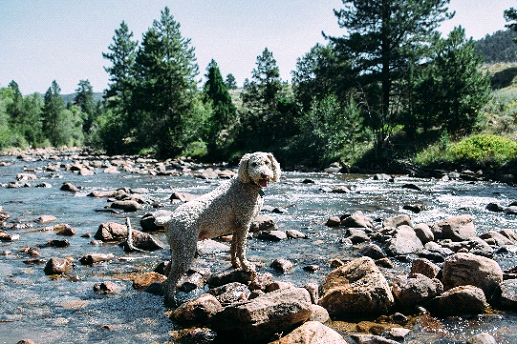

Moving to a new area can often result in unexpected situations. If you have recently arrived in Colorado, you may have not yet considered how the local environment can affect your pet. As with any unique location, there are some pet health threats and concerns of which you should be aware. The information provided here is by no means an exhaustive list, but rather highlights some of the more prevalent concerns.
As with all other US locations, rabies is a threat. Colorado has an extensive wildlife population, and rabies outbreaks do occur; raccoons in Fort Collins tested positive for the disease just last month. Therefore, if you only get your pet one shot, ensure it’s a rabies vaccination. Not only is this prudent, it is required to legally register your animal. If your pet is not vaccinated and comes into contact with a rabid animal, he/she may have to be put down.
Another significant threat in Colorado is giardia. Giardia is a parasite which reproduces in the intestine of wild and domestic animals. When the animal’s droppings come into contact with a water source, the parasite can spread. Standing and running water in the state often contain giardia, which can cause severe intestinal distress, dehydration, fever, and even death if not treated. If you suspect your pet may be infected, your veterinarian will do a simple stool test to confirm, and prescribe medication. The best way to prevent the problem is to ensure your pet always has a clean water source. Avoid letting him/her drink out of puddles, rivers, or communal water bowls at parks.
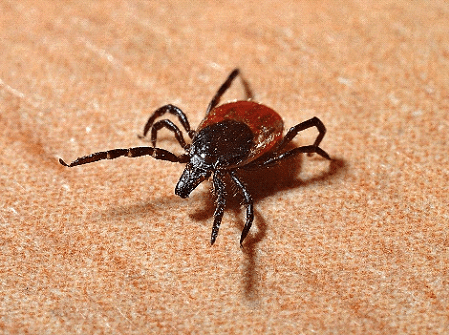
Ticks also live in our beautiful state. Although ticks are tiny, they bring big health risks. Locally, the two most common types are the Rocky Mountain wood tick and the American dog tick. Pets and humans can contract viruses and diseases from tick bites. The best protection is to use a tick repellent. Flea and tick collars as well as monthly treatments like Frontline will help protect your furry friends. Additionally, regular coat brushing and physical checks can catch a tick before it embeds and begins to feed.
Just like with people, the best medicine is nearly always prevention. Knowing the local threats, taking steps to protect your pet, and reacting quickly after any exposure, can literally mean the difference between life and death. As always, it is a good idea to talk to your veterinarian about the specific threats to your pet in your neighborhood.
 harleys hope