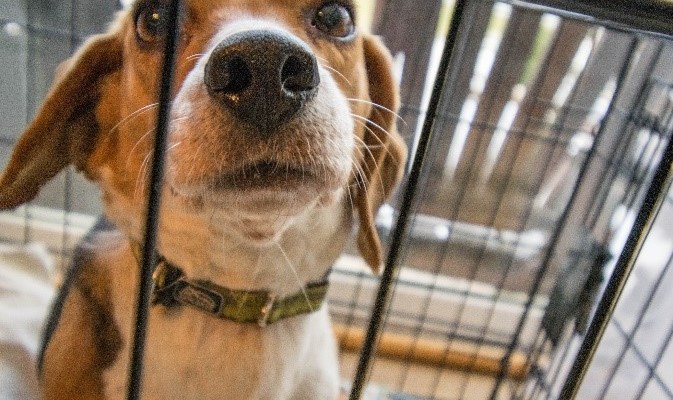

The New Year is often a hectic time. Many people visit long distance family, start new jobs, or make big life changes. With those changes often comes a lot of travel. January 2nd is “National Pet Travel Safety Day.” Whether you’re driving across town, across country, or flying to a foreign land, bringing your pets can present unique challenges. Travel is stressful and it can be dangerous for your 4-legged friends. With some planning you can make even the longest trip much safer and easier for every family member.
If you are taking your pet on a road trip one of the most important things you can do is purchase safety equipment. Although Fido may love to ride in the front seat or hop around in the back, in the event of a crash, an unsecured pet can become a dangerous projectile and even be ejected through the vehicle windows. There are two main ways to secure a pet in a car.
- First is a crate or carrier. Ensure the crate is large enough for your pet to stand, turn, and lie down. And, secure the carrier so it does not slide or shift position while driving. This may mean using cargo straps to secure it in place.
- The second option is a harness and belt system. Using an across the chest harness which attaches to the seat buckle is ideal.
Never attach the seat buckle attachment to a standard neck collar. Should the vehicle come to a sudden stop, the force on the neck could severely injure or kill. Finally, never leave your pet alone in a parked vehicle. The interior of a car acts as an oven in the heat and a refrigerator in the cold. In any season the temperature can quickly become deadly.
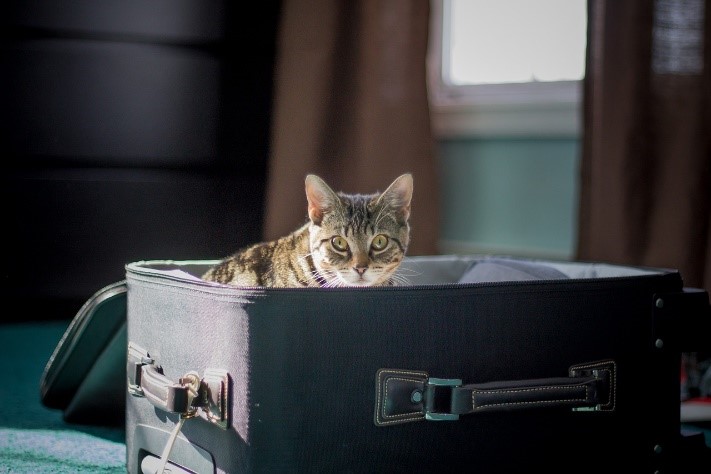
If you are flying with your pet, things get a little more complicated. The very first step is to visit your veterinarian. The airline and your destination will require certain vaccinations and health clearances and your vet will be able to advise you if there are additional concerns with your particular animal. Most vets do not recommend relaxants or tranquilizers before travel. Next, do your research with the airline. Some airlines operate certified pet travel programs with climate controlled cabins and special considerations. If the airline does not maintain climate controlled space for animals, they may only accept pets during specific weather conditions for safety reasons. Once you choose an airline, do your best to book as few layovers as possible. Every flight carries risk and adds stress to any animal.
Just like driving, flying requires safety equipment. If you are carrying on a very small dog or cat, ensure you purchase an airline approved carrier and keep your pet in the carrier at all times. It may be tempting to let him or her out for some cuddle time but air travel is unpredictable and sudden turbulence could result in injury. If you are checking your pet, buy a USDA-approved crate. Prepare it with some kind of bedding, food and water bowls, and a bag of additional food attached to the outside. Label the crate as directed by airport personnel and ensure you clearly include your contact information in case of emergencies. Finally, ensure the crate closes securely but do NOT lock it. Airline personnel may need to open the door in an emergency and a lock could delay your pet receiving needed help.
Whether you are taking a short road trip or long flight, being prepared will significantly reduce the stress on you and your pets. Hand carrying vet records, vaccination certificates, extra medication, and food will ensure you’re ready for delays and those unforeseen circumstances that often happen when we travel.
 harleys hope