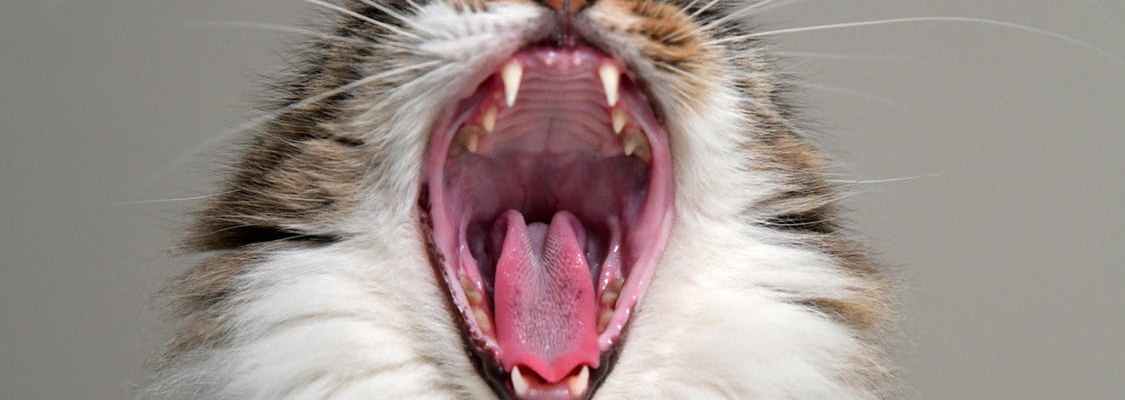

February is National Pet Dental Health Month and it reminds us that, like humans, animals also need some extra help to keep their chompers in good working condition. Many people do not realize the importance of teeth cleaning for their dogs and cats. We assume it takes care of itself. However, it is estimated that, by 3 years old, the majority of dogs and cats will have early periodontal disease. With a staggering statistic like that, it’s evident we need to pay close attention to our four-legged family members’ dental hygiene.
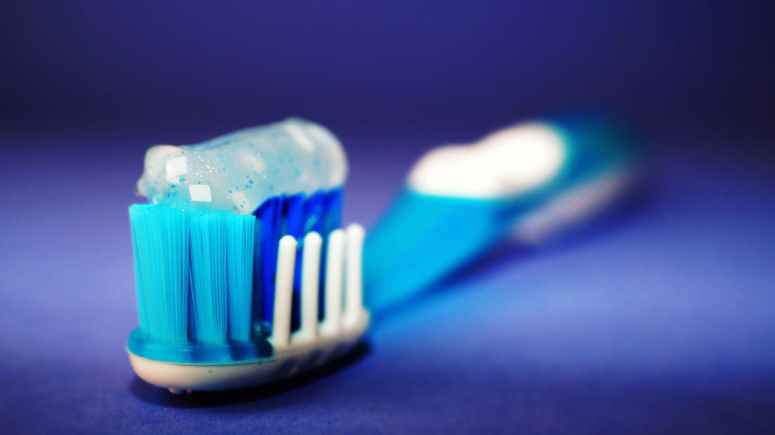
The best way to avoid tooth problems in your pet is through prevention. And the easiest way to prevent oral diseases is to brush your pet’s teeth. The American Veterinary Medical Association says best practice is to do this once a day but a few times a week is effective. If puppies and kittens are taught to accept brushing at an early age, this can be a relatively painless process. Remember to have patience and always reward your friend for cooperating. In addition to manual brushing, a vet-conducted cleaning once a year will make sure any problems are identified and stopped in their tracks. Most veterinarians will use anesthesia for both safety and comfort reasons. This procedure may be expensive and time consuming so speak to your vet about what he or she recommends for your pet.
Even with daily brushing and annual cleanings, it is possible for our pets to develop some level of periodontal disease. You should always be on the lookout for symptoms which may include any of the following: bad breath; loose teeth; tooth discoloration; abnormal chewing or drooling; apparent loss of appetite; weight loss; or bleeding and swelling around the mouth. If you notice any of these symptoms, call your vet right away. Left without treatment, dental problems can cause infected or lost teeth, severe pain, kidney, liver, or heart problems.
Dental hygiene isn’t just for people. Our dogs and cats need our help to keep their mouths healthy for a lifetime. Frequent brushing, veterinary visits, and awareness are our best defense against possible life-threatening diseases. Ask your vet or go online to learn more.
 harleys hope