

Moving is a stressful time. There’s packing, cleaning, searching for a new home, long drives, and airplane rides. All of that stress can take its toll on every family member, even the furry ones. As much as we would all love to believe our pets can understand us, the truth is you cannot just explain a move and expect them to comprehend the concept. The sight of suitcases, presence of new people (realtors; inspectors; movers; prospective house buyers; etc), travel, and adapting to a new environment are all significant stressors. If you are considering a move, or have just moved, there are steps you can take to help your pets cope with the changes.
Moves begin with planning and preparation and the earlier you can start, the better. First, consider safety. Moving pets will require at least some time in a carrier and vehicle. Begin to familiarize your pet with their carrier. A good way to do that is to bring the carrier/crate into the house, put toys and blankets inside, and allow your pet to approach this new object on his or her own terms. Then, once they’re comfortable with it, start practicing getting them inside and always use positive reinforcement.
If you are packing your house yourself, allow your pets to freely explore the activities. As long as the environment is safe, letting the cat play in the empty boxes or the dog sniff the materials will satisfy their natural curiosity and relieve anxiety. Of course, if you have movers pack your house, you need to consider how your pet reacts to strangers. Also, the doors to the house may be open for extended periods of time and even well trained animals may run away from the unfamiliar. Having a friend the pet knows watch him or her for the day is a good option, perhaps you can take your dog to his favorite groomer while the movers are there. Another option is to confine your pet to a safe room in the house. Keep in mind, however, this is likely to generate a lot of anxiety as most animals do not like to hear and smell things they cannot investigate. Whatever route you choose, do so with the well being and safety of your pet in mind.
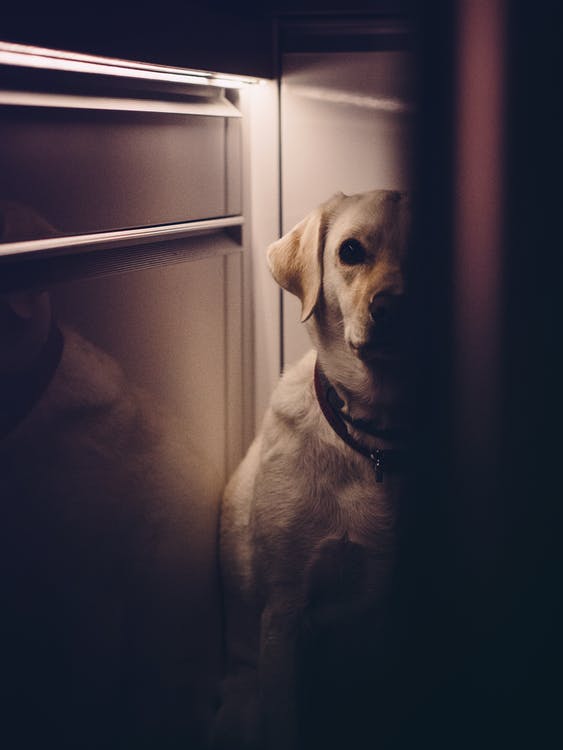
When you get to your new home, there will be an adjustment period. Before you let your pet run freely in his new environment, do an inspection. Check for open doors and windows, crawl spaces, or other potentially dangerous cat hiding spaces. Cats are usually very cautious in a new environment. Consider picking a room and making that the cat’s personal space. Include the litter box, food bowls, toys, bed, and anything else your cat loves. Let her explore on her own time and expand her environment from her home base. Dogs tend to be a little more excited about new things but it’s important to remember they also need security. Give Fido a tour, but keep him on leash at first. Allow him to sniff everything and start to learn his new boundaries. Finally, establish a routine as quickly as possible. If your dog is used to evening walks, continue to do so if you can. Familiarity will help with adjustment.
Remember moving is a family affair. Whether it’s down the street or across the country, moving causes upheaval and can be terrifying. When you get to your destination take time to explore together. Remember there will be an adjustment period so be extra vigilant. Try to avoid leaving your pets alone in the new space for the first few weeks. And be patient. Your pet may exhibit different behaviors stemming from anxiety or disruption of routine. With a little extra love and attention, things will be back to normal in no time.
 harleys hope