

Nearly all towns in the United States have some form of written ordinance restricting animal ownership by citizens. This varies from restricting breeds of dogs to type of animal to number of pets allowed per household. Although at first glance it may seem arbitrary, most rules are put in place with public health and safety in mind. Outlined below are some of the local ordinances you should be aware of if you have pets.
In Colorado Springs, households are limited to no more than 4 dogs or cats over 4 months of age. This allows for a litter of puppies or kittens to be cared for in a home until they are old enough to be separated from their mother. Denver city allows a total of 5 cats and dogs with no more than 3 being dogs. Each city will have its own ordinance so it’s best to search your own city’s website.
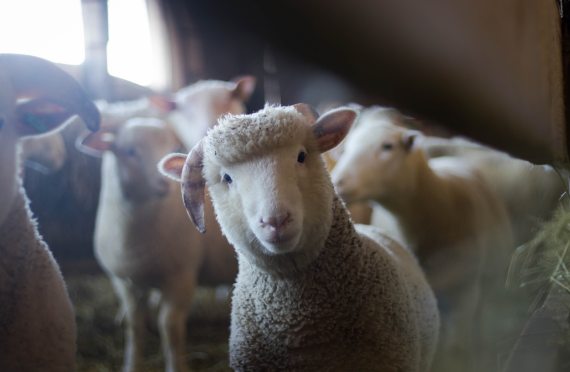
Colorado Springs also restricts the ownership of hoofed animals. The restrictions are not only for the comfort and safety of the animal but to ensure living conditions are sanitary. A herd of hoofed animals within city limits could contaminate nearby water supplies or even become a breeding ground of diseases.
In general, the state of Colorado does not allow exotic pet ownership. Exotic pets (those not commonly domesticated or not common in North America) require an exotic animal permit and are highly regulated. Some exotic pets carry diseases which can affect the local ecosystem. Others may present a physical danger to humans and animals.
Pet ownership is not the only thing regulated with public health and safety in mind. How you handle pet remains is also highly controlled. When a beloved pet dies, many people want to keep him or her close and bury the remains at home. However, there are strict laws dictating how large your lot must be, how close the site is to water, and how deep a body must be buried. All of these rules are designed to avoid contamination of land or water, especially within any kind of city limits.
It may sometimes be frustrating to have to seek permission to bring a new pet home but keep in mind the rules are there for a purpose. Ensuring domesticated animals are kept in safe, sanitary conditions ensures continued health for other neighborhood pets, humans, and native wildlife.
 harleys hope