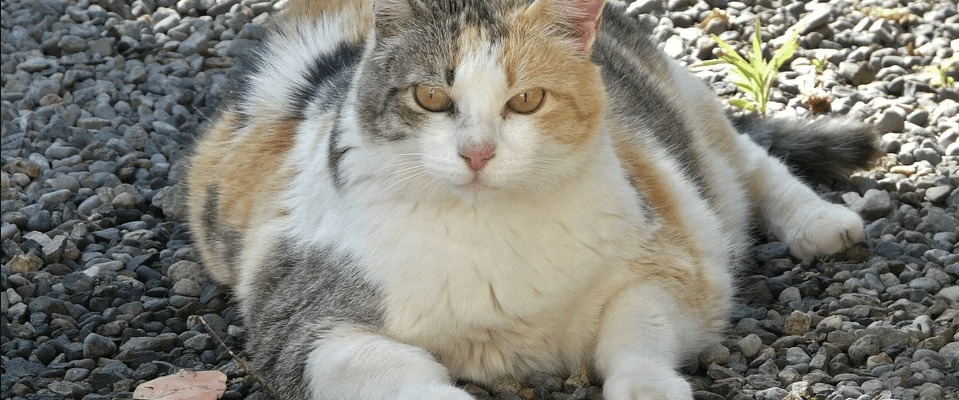

Most people understand the importance of a balanced diet and exercise for themselves, but the statistics show many people do not take the healthy weight of their pets nearly as seriously. According to the Association for Pet Obesity Prevention, in 2018 60% of cats and 56% of dogs in the United States were at an unhealthy weight. Overweight pets can, and do, suffer the same consequences as overweight humans, including developing diabetes, arthritis, high blood pressure, a decreased life expectancy, and increased risks for some types of cancer.
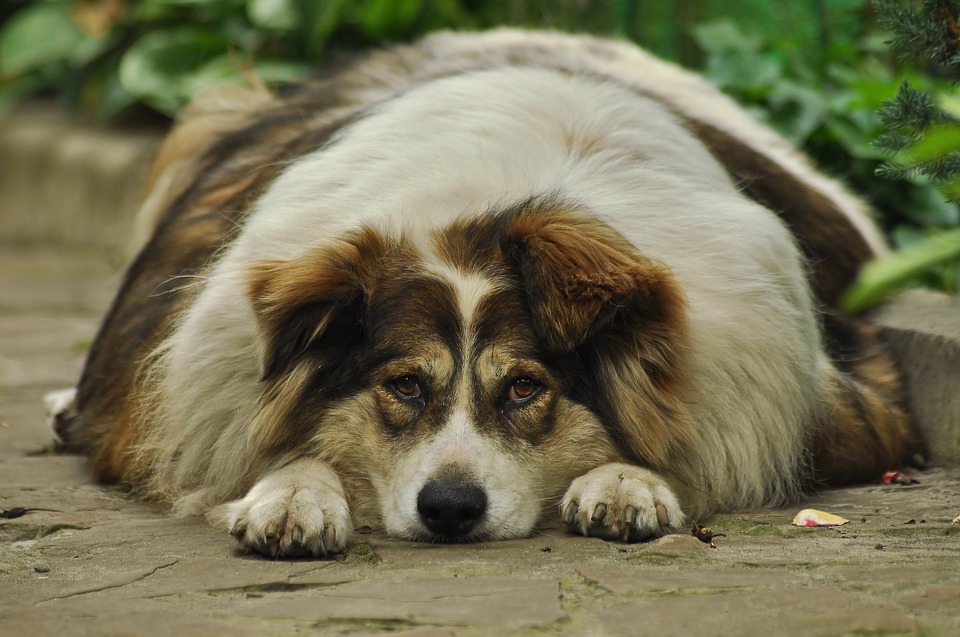
So, what causes obesity in pets? Overwhelmingly it boils down to over-intake of food. Whether that’s simply a case of overfeeding, too many treats, table scraps, or a combination depends on your pet and feeding habits. Aging can also be a factor as pets slow down in old age, naturally decrease their movement, and may develop arthritis or other conditions which make it harder to exercise.
The obvious solution to pet obesity is to avoid allowing your pet to become obese in the first place. All pets need us humans to monitor their food intake. Read the food packages and feed according to the recommended serving sizes, and also make a concerted effort to get your pet exercise. Dogs love daily walks, chasing balls, swimming, or learning agility courses. Some cats also love to walk, and most all chase lasers or play with toys. Every minute of activity counts.
The second best solution to pet obesity is to treat the problem as soon as you notice it. It can be tough to recognize obesity in pets as body shape, size, and fur can all get in the way of easy observation. However, there are some simple tests you can perform. First, you should be able to feel your pet’s ribs. A lot of people worry that if they can feel ribs their pet is underweight, but that is the exact opposite of what is good for your animals. Additionally, you should be able to see a waist when looking down on your pet and you should not see a sagging stomach when you look at your pet from the side.
The first thing to do if you suspect your pet may be at an unhealthy weight is to visit your veterinarian for guidance on diet and exercise. You should never put your pet on a diet without medical guidance since you need to rule out underlying conditions, as well as make sure you aren’t depriving your pet of key nutrients. After all, they cannot tell us when they’re too hungry. Additionally, pets need to lose weight very slowly, so no crash diets for Fido. Your vet may recommend a high protein diet, cutting down on portions, eliminating snacks and treats, and increasing exercise. Sometimes even the smallest of changes can produce a big result. Remember, our pets rely on us to know what’s best for them, so take their health just as seriously as you take yours and they’ll give you years of love in return!
 harleys hope