

Did you know that pets can get tooth aches? Just like humans, our four-legged companions can suffer with dental problems including plaque build-up, cavities, broken teeth, and gum pain among other things. It is recommended that people visit a dentist every six months and we should be taking our pets for a check up at least once a year. Dental checks are usually done at an annual veterinary exam. Your vet will check the health of your pet’s mouth and recommend additional dental work. That may include a simple cleaning, tooth removal, medication, or other medical intervention.
By the time your pet is 3 years old he or she is likely to have early periodontal disease. Without early intervention and preventive measures, the disease can progress to damaging more than teeth. Poor dental health is associated with kidney, liver, and heart damage. What begins as a simple problem can quickly turn into a life-threatening situation if ignored. If you notice any of the following symptoms, you should make an appointment with your veterinarian: bad breath; broken or loose teeth; abnormal chewing/drooling; refusal to eat; bleeding or swelling in or around the mouth. These could be indicators of an impending problem.
These are the top clinical symptoms of dental issues in your pets:
- Bad breath
- Red, swollen, or bleeding gums
- Increased drooling
- The buildup of yellowish brown plaque like deposits and tartar on the teeth
- Reluctance or difficulty in eating from pain in chewing and possible weight loss
For many humans going to the dentist is daunting and maybe even scary, so we ignore problems hoping they will get better. But, that usually turns into increasing pain and skyrocketing dental bills. Our pets cannot tell us at the first sign of a toothache, so regular preventive care is key. When your vet determines it is time for a cleaning, x-rays, or other procedures, your pet will be put under anesthesia for their own safety and comfort. They will wake up groggy, but with a healthier mouth, and usually can go home the same day. These procedures are very safe, quick, and the benefits far outweigh the risks.
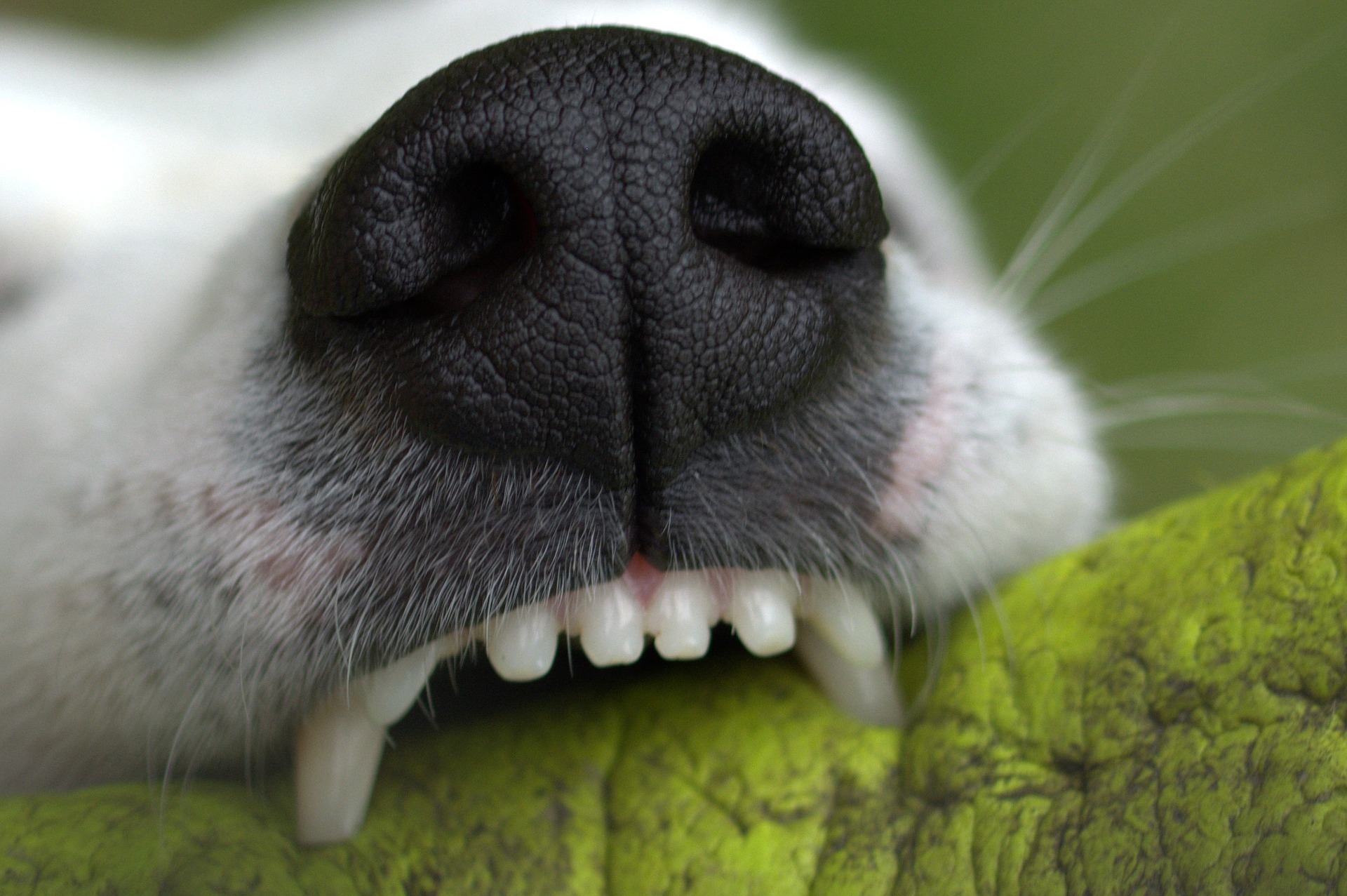
Many pet owners may worry about the cost of dental care and that is a legitimate concern. To reduce the risk of pricey procedures you can help keep your pet’s teeth clean at home. There are pet toothbrushes for both dogs and cats. If you decide to try one, introduce it to your pet slowly and with many pets as a reward. You can also purchase chew toys and treats made to help reduce plaque and tartar build up. Doing these small things can help make sure your pet’s annual check up ends positively and can reduce the needed time between cleanings. However, just like for you, regular cleanings are important, so work them into your pet budget. A routine cleaning is hundreds of dollars less than tooth extraction or other more serious procedure. If you have pet insurance, contact your agency to ask about coverage or benefit payments. Talk to your veterinary office about possible sliding scale costs or payment plans. In the end you will be glad you did and your pet will thank you.
 harleys hope