

Did you know that only 22% of lost dogs and only 2% of cats turned into an animal shelter are ever reunited with their families? It is a scary fact that many lost pets never find their way home. But there is good news. With a simple veterinary procedure, you can dramatically increase the odds of bringing your furry babies home. That procedure is having your pet microchipped. A microchip is a small electronic chip, much like something inside your computer or phone. It is enclosed in a glass tube, roughly the size of a grain of rice. The chip contains an identification number, which can be read by a scanner used by veterinarians and shelters. Microchipping has been around since the 1980s and widely used since the 1990s. It is a safe, easy, cheap way to ensure your pet can be identified if they are lost or stolen. Collars and tags can be removed or lost but microchips are embedded under the skin and are permanent.
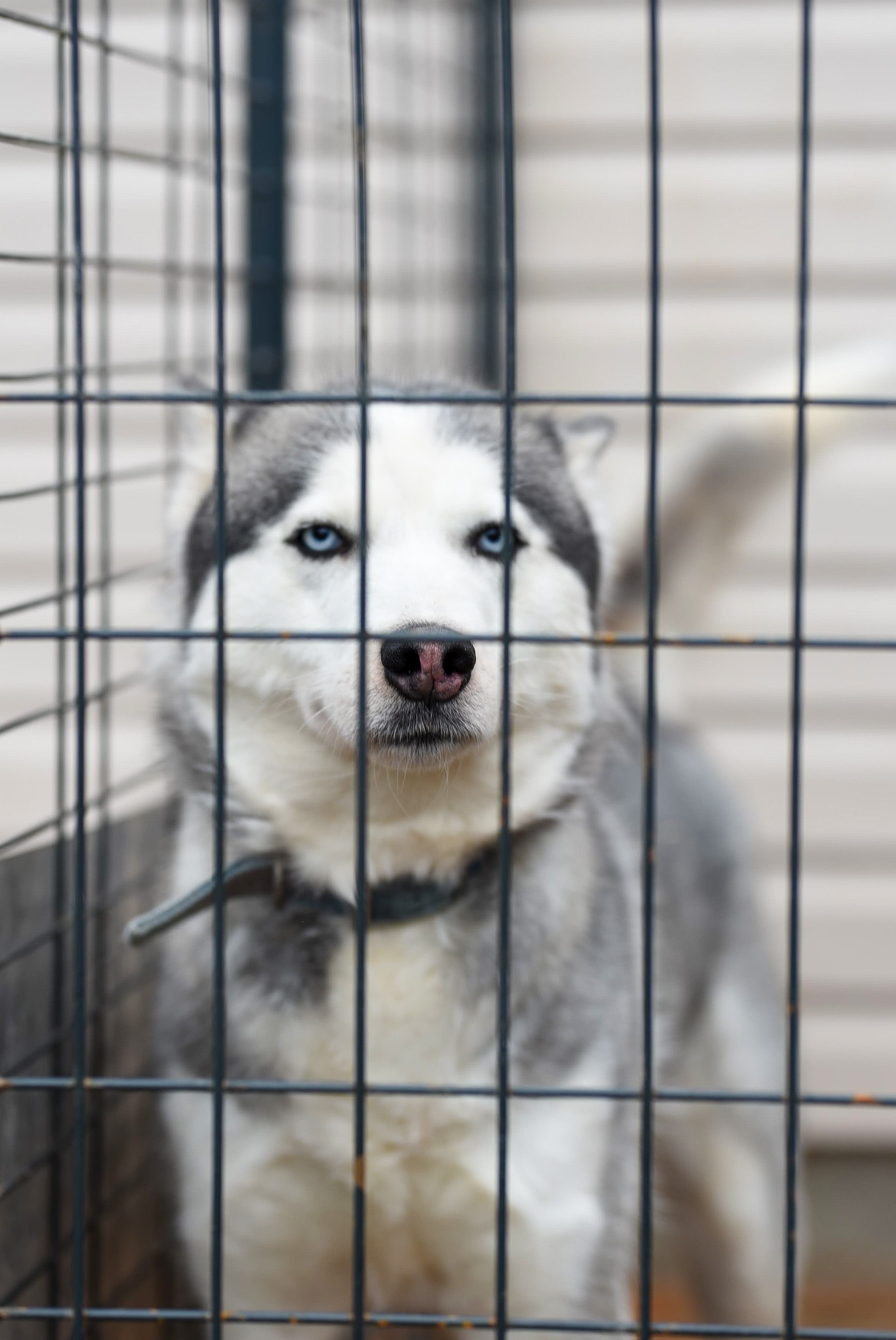
It is natural to be a little worried about injecting anything permanent into your beloved friend, but microchipping is nothing to fear. When you bring your pet to the veterinarian to get a microchip your veterinarian will use a needle, much like the ones used to give vaccinations. The needle will inject the chip between the shoulder blades, just under the skin. Although it may look painful, it hurts no more than a shot and is over quickly. Most pets will not even acknowledge the procedure, especially if they are distracted by a treat. You may be able to feel the chip under the skin, but it will not move around or “get lost” inside your pet.
Once your veterinarian has completed the procedure, they will provide you with the chip identification information which you can then use to register your pet with one of the organizations which maintains a chip database. Some of the most widely used organizations are HomeAgain, PetLink, and AKC Reunite. Registration is easy but be aware most sites charge a small fee. Services range from simple owner identification to full veterinary records. It is very important to keep your contact information up to date, especially if you move addresses.
We all do our best to look after our pets, provide them with a safe home, good food, and the love they deserve and microchipping is one of the best ways to offer ourselves peace of mind. According to the American Veterinary Medical Association, microchipped dogs are more than twice as likely to be returned to their owners and microchipped cats are nearly 20 times more likely to be returned home. Although it is not mandatory to chip your pets, the low cost, and high chances of being reunited, makes it one of the easiest things you can do to keep your pet safe, and home with you.
 harleys hope