

Each year, the month of February serves as a reminder of one of the most powerful tools of animal welfare. Some may argue that surgery hardly sounds like a thing to celebrate, but when that surgery prevents millions of animals from being abandoned and/or developing painful forms of cancer, the picture gets a little more clear.
According to the ASPCA, spaying a female pet is the best way to protect against uterine infections such as pyrometra and breast tumors, both painful and potentially fatal. Neutering male pets also prevents testicular cancer and can protect against prostate issues later in life. The Humane Society cites spaying and neutering as directly related to life expectancy, reporting neutered male dogs live 18% longer, and spayed female dogs live 23% longer than their non-altered counterparts. These health benefits do not just apply to dogs and cats, the Humane Society reminds us that spaying/neutering is also beneficial for rabbits, and not just because of their prolific breeding practices. Any in-tact animal runs the risk of developing reproductive cancers which take lives and can cost thousands of dollars to treat.
Pet cancer treatment has evolved over the past several years and there are many options out there, but none of them are free. Treatments such as surgery, chemotherapy, or radiation therapy, can easily add up to $10,000 or even more depending on the type of cancer and available treatment options. For many families, the choice between saving their pet’s life, and feeding their family, is a reality. Proper preventive care, such as spaying and neutering, is essential.
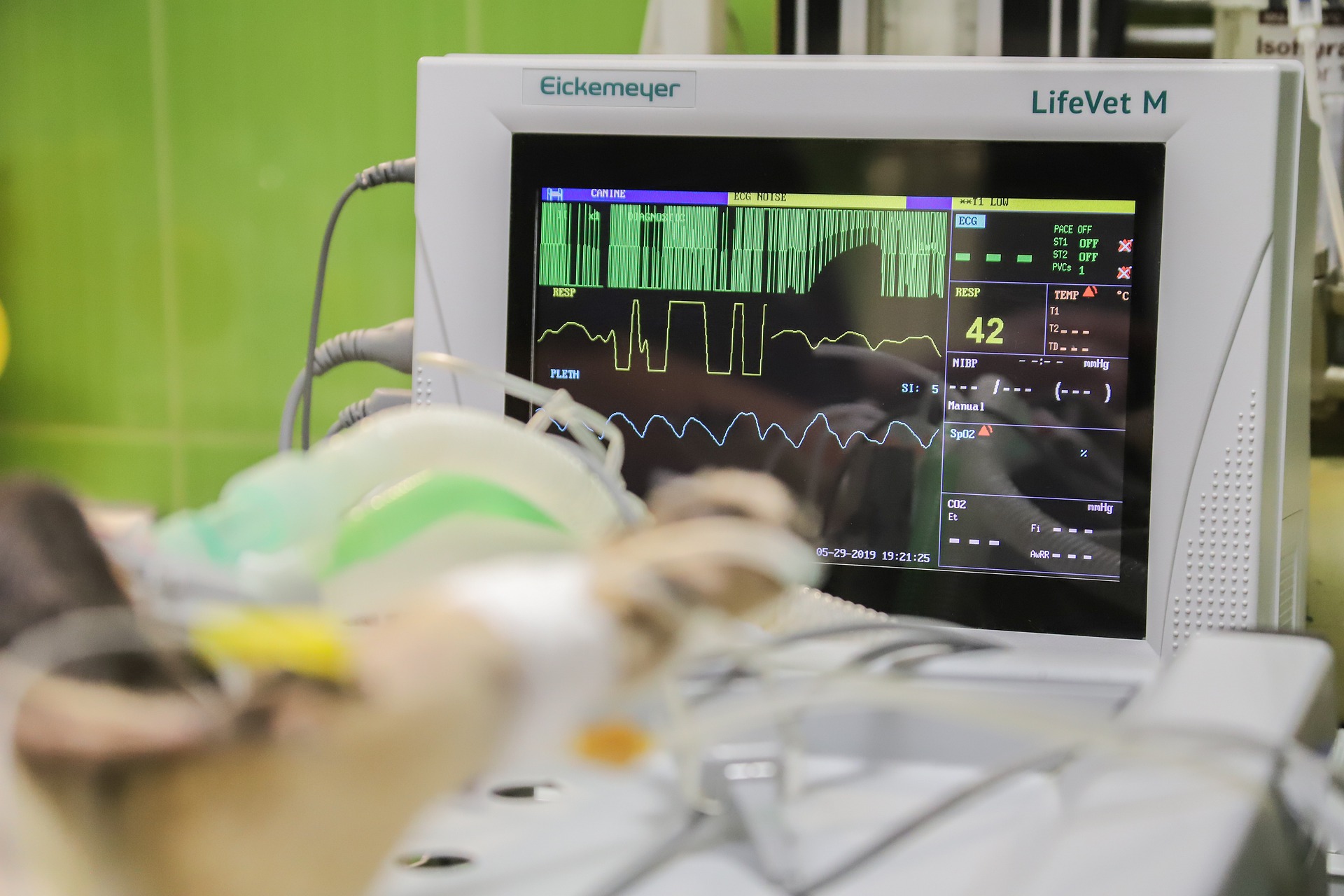
Harley’s Hope recognizes the many health benefits of this relatively simple surgery and, like many pet aid charities and foundations, requires pets over the age of one year to be spayed/neutered to qualify for benefits. The American Humane Society recommends spaying female pets before their first heat and recommends working with your veterinarian to determine when is the best time to spay or neuter. The costs average between $50 and $500 for surgery, significantly less than cancer treatment. And, if you cannot afford the upfront costs, many cities and vets offer spay/neuter clinics which offer the surgery at a reduced price. The Humane Society of the Pikes Peak Region offers assistance programs for qualified individuals. No matter how you look at it, spaying and neutering is the cheapest way to prevent many health problems, and the best way to keep your beloved pet happy and healthy for many years to come.
 harleys hope