

While summer gives pet parents plenty to worry about with threats of bugs, hot sidewalks, and stressful grooming appointments, the cooler months ahead offer their own potential problems. We lower our vigilance over our fury friends and focus on the new school year, or upcoming holidays. But all that outdoor play our dogs enjoyed over the summer, left their paws exposed to moisture, heat, thorns, bacteria, and fungus. Oh my.
While breeds with fine limbs and less padding on their paws (such as the Greyhound) are at a higher risk, any breed can suffer from a cut or bug bite leading to infection, regardless of the time of year. Colorado especially is known for unpredictable weather throughout the seasons. And, bugs and hot sidewalks continue to plague our dogs through Autumn. Soon, pine trees will shed summer pine cones, providing new hazards on our strolls.
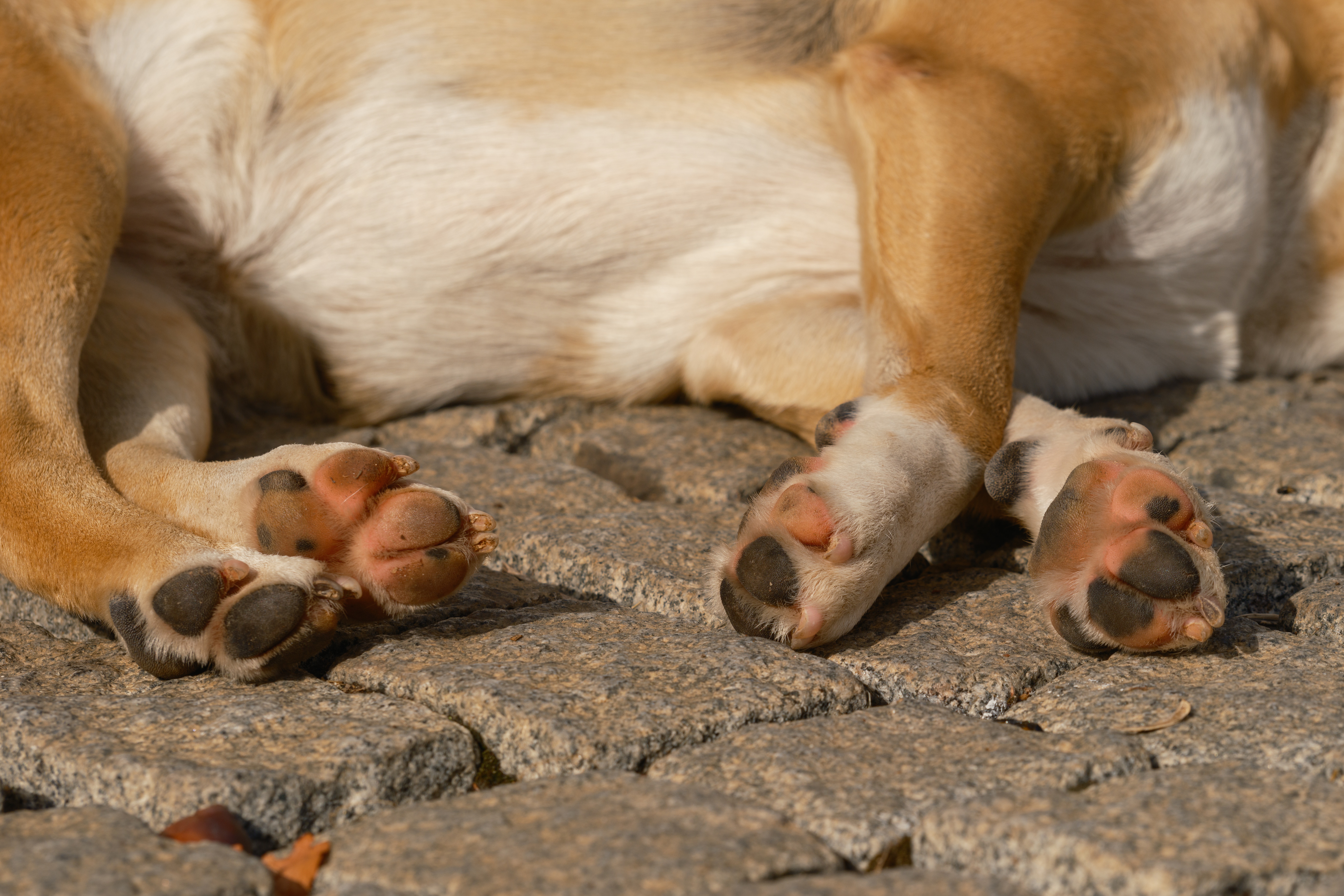
Dogs will lick their paws to alleviate discomfort from heat, cuts, allergic reactions, and inflammation, providing an incubator for bacteria. The most common sign of infection can look like ordinary behavior; licking. If you notice obsessive biting or licking of the paws, inspect your pet’s paws for redness, or obvious injuries. Be in the habit of checking their paws weekly. Additionally, if your fury friend has a suppressed immune system, inherited or from medication side-affects, you’ll want to check your dogs paws more frequently than the recommended once a week.
Other common signs to look for include swelling, a foul smell, pus or discharge, and a reluctance to walk on the infected paw.
Typically, treatment is an antibiotic or anti-inflammatory medication. And in some cases, more frequent bathing of the area until the infection subsides. Our faithful friends need our diligence year-round. And catching an infection before it spreads can spare an owner additional costs for blood work, or x rays.
 harleys hope