

Just like people, pets are susceptible to all sorts of illnesses, injuries, and sensitivities. It can be very difficult to know if your pet is suffering simply because they cannot tell us when something is wrong. Some animals, like cats, hide pain and discomfort so well we may not know there is a problem until it is too late. That is why it is incredibly important to observe your pet and get to know their normal patterns of behavior so you can recognize when something is wrong. Below are a few common problems to look out for and tips for keeping your pets safe and healthy.
ALLERGIES:
Many people do not realize that animals can suffer from allergies. Nearly anything can cause an allergic reaction in animals. Some of the more common allergens are pollen, chemicals in household products, fleas, and foods like chicken, dairy, beef, eggs, corn, and soy. The symptoms of an allergic reaction may include sneezing, coughing, excessive scratching, extreme paw licking, hair loss, scabs, vomiting, diarrhea, or varying levels of physical discomfort including ear infections.
There are many ways to treat pet allergies, the easiest of which may simply be avoidance. Ensure your household air filters are cleaned regularly, as well as your rugs, curtains, cushions, and other soft surfaces that can trap allergens. Regular baths with sensitive skin shampoo can help ensure allergens do not build up and can relieve dry and itchy skin symptoms. In the case of food allergies, experimenting with an elimination diet, or buying specialized food may solve the problem. Finally, since flea allergies are so common, using a reliable flea repellent may avoid the problem in the first place. If the allergies are severe enough, your vet may need to prescribe medication.
HEARTWORM:
Heartworm is another common issue that can lead to premature death if not prevented or treated early. One of the most effective ways to protect your pet is to administer a preventative medication prescribed by your veterinarian. Additionally, dogs should be tested annually so any infection can be dealt with as quickly as possible. Cats should also be tested annually but there is no approved treatment for heartworm in cats, making it even more important to be consistent with preventative medications. For dogs, the early symptoms of heartworm include cough, fatigue, loss of appetite, and weight loss. In cats, the most common symptoms are coughing, vomiting, decreased appetite, or weight loss. Cats are notorious for hiding sickness so the symptoms can easily go unchecked if the cat is not routinely tested.
POISONS/TOXINS:
Curious animals often get into things they shouldn’t, and many household products can be poisonous. It may seem daunting to remove every possible source of poison from your household, but with a little bit of education, you can easily remove or lock up the most common sources of danger. The top sources of pet poisonings each year are chocolate; xylitol (found in some gum and peanut butter); grapes; raisins; alcohol; dishwashing detergent; bleach; household cleaners; rodent poison; hand sanitizer; acetaminophen (Tylenol); pseudoephedrine (Sudafed); lilies; tulips; azaleas; daffodils. Ensuring none of these common poisons are accessible to your pet is a great first step. Additionally, you should never feed your pet human food, no matter how much they may seem to like the flavor unless you are absolutely certain it is not harmful. And, if your pet becomes sick, only give medication prescribed or approved by your veterinarian.
The symptoms of poisoning vary depending on the type of animal and substance ingested but may include vomiting; diarrhea; seizures; lethargy; loss of appetite; inability to urinate; and many others. If you suspect your pet may have ingested a poisonous substance, don’t wait for symptoms to appear, contact your vet or a pet poison hotline.
FIRST AID:
Knowing how to treat minor injuries is an important part of ensuring the wellness of your pets. The first step to providing first aid is having the supplies to respond to a situation. The American Veterinary Medical Association and The Humane Society of the United States each provide first-aid kit checklists on their websites. You should keep one in your home and, if you take your pets with you on adventures, one in your car or in a hiking/day pack. Both agencies recommend keeping veterinary emergency numbers, poison control hotlines, and medical records in a waterproof bag so they can be easily accessed. A good kit should include: tweezers; bandages; cotton swabs; antiseptic wipes; cold pack; rubber gloves; emergency blanket; scissors; and alcohol pads. Some human medications can also be used on pets, although in smaller doses. You should consult your veterinarian on what is safe to give to your pet and in what situations.
Knowing how to use your supplies is the next step. The American Red Cross offers a pet first aid course. It’s 35 minutes long, offered online, and costs $25.00. You can register on their website. They also have a free app available on Apple and Android. Search “Pet First Aid Red Cross.” There is also free information available from the American Veterinary Medical Association website with quick links to help you respond to the most common issues including bleeding, burns, heatstroke, and other conditions. Your local veterinary office may also provide training or help you to find a class near you. It’s a good idea to review procedures frequently and before any emergency situations arise. Trying to learn how to assist during a scary situation can lead to dangerous mistakes. Remember, though, any time you need to administer first aid to your pet, you should always follow up with a veterinarian as soon as possible.
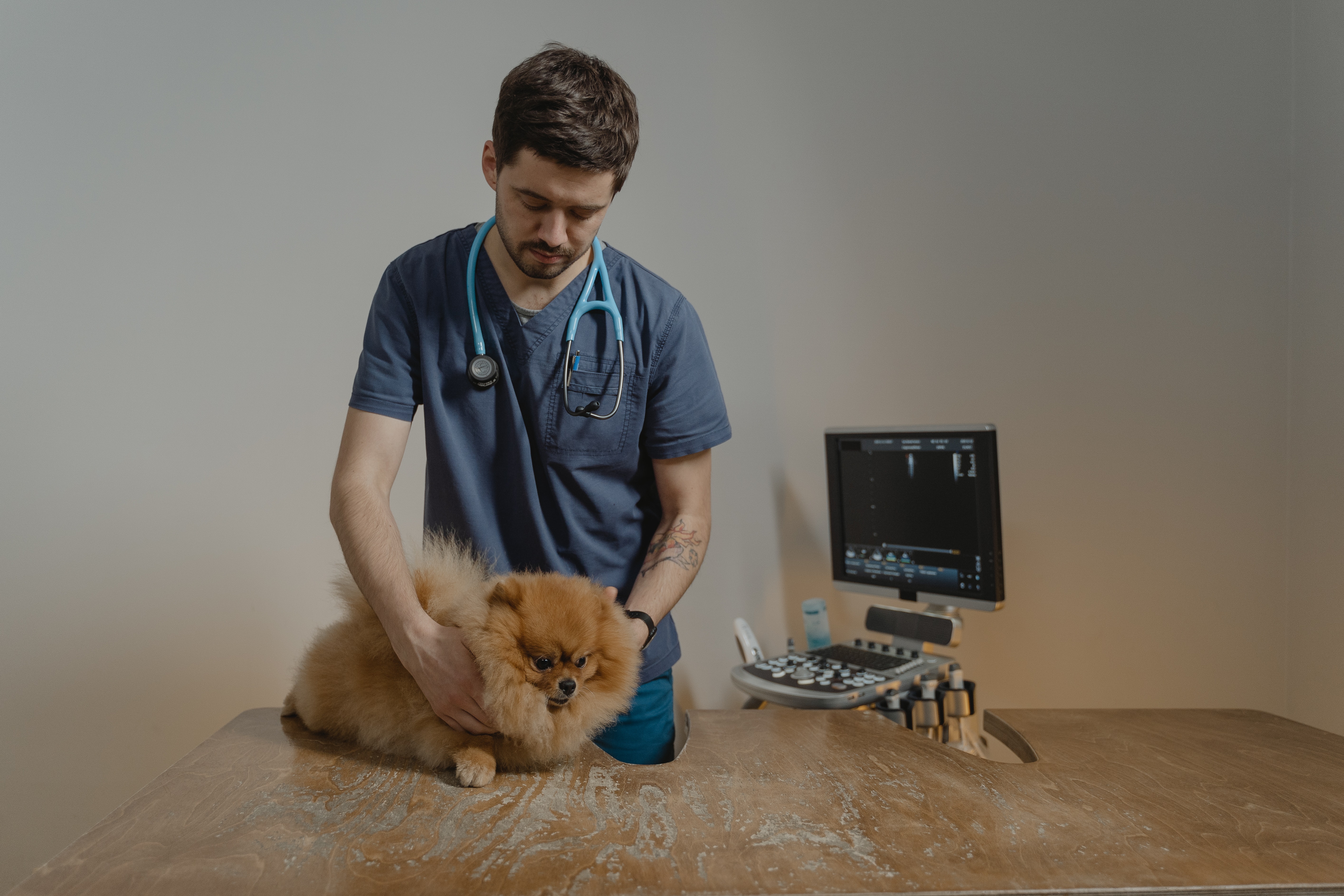
Ensuring your pet’s wellness means more than keeping your companion fed. It means spaying/neutering in accordance with your veterinarian’s recommendations; keeping up to date on vaccinations; microchipping as required by local laws; licensing fees; behavioral training as necessary; proper socialization; arranging for care when you are not/cannot be home; time; and more. The absolute best thing you can do to keep your pet healthy is attend routine veterinary appointments. During these appointments, vets will check your pet for anything out of the ordinary including growths, tumors, or abnormal behavior. But you don’t have to wait for a routine appointment if you notice something “off.” You know your pet best so never hesitate to seek medical assistance at the first sign of trouble.
 harleys hope