

February is Pet Dental Health Month. Many people do not realize that regular dental visits are just as important for a pet as they are for us. The Veterinary Oral Health Council recommends animals receive a dental exam every 1-2 years. This may seem extreme to some, but poor dental health can lead to deeper problems such as bad breath, tooth loss, damage to gums and bone, and ultimately diseases of the heart, liver, and kidneys. Routine care is the best way to stay ahead of these issues to save time, and money, and improve the quality of life for your pet.
For many pet owners, the cost of pet dental care can be prohibitive. Teeth cleanings can range from $100-$1,200 and usually require x-rays, some kind of sedative, several hours at the vet, and sometimes tooth extractions. Thankfully there are ways to offset the costs. For instance, pet health insurance. Insurance plans can cover anything from routine to emergency care and help spread the cost over a long period instead of all at once. Shop around to find one that covers you and your pet’s needs. Additionally, shelters and humane societies will often host low-cost clinics. Although you may not be able to receive specialty care at those clinics, you may be able to get referrals or discounts at another facility. Finally, reach out to your local veterinary offices. Prices vary between practices and some will provide 10-20% discounts for dental services in February.

The good news is many dental health problems are entirely preventable with minimal time and financial investment. Vetstreet provides the following tips:
- Be aware of changes in your pet’s appearance or behaviors. Bad breath, hesitation to eat hard food, and pawing at the mouth are all signs something may be wrong. A vet visit at the first sign of a problem is almost always cheaper and faster than waiting.
- Invest in a pet-friendly toothbrush and paste. It’s easiest to train your furry friend from a young age, but any pet can learn to accept a brushing; it just takes a bit of patience.
- Treats! There are many treats designed with oral hygiene in mind. The Veterinary Oral Health Council maintains lists of which treats are best to fight plaque and tartar and keep those pearly whites.
- Ask your veterinarian for a dental exam. This quick and painless procedure will alert you to any potential problems, so they can be dealt with before they become health-threatening.
- Do not be afraid to take your buddy in for a complete dental cleaning. This may involve sedation, but the benefits far outweigh the risks.
Understanding pet dental hygiene is the first step to taking care of your pet’s teeth and it is always easiest to address issues as they arise. Contrary to what many believe, bad breath is not normal, and dry foods alone do not do enough to keep teeth clean. Dogs and cats, just like humans, have many bacteria in their mouths which, if left unchecked, can lead to infections. Also, not all treats and chew toys are created equal. Kibble and specially designed chews can help keep teeth clean but some products such as antlers and bones can damage teeth. Ask your veterinarian if you are unsure if a chew toy or treat is okay for your pet.
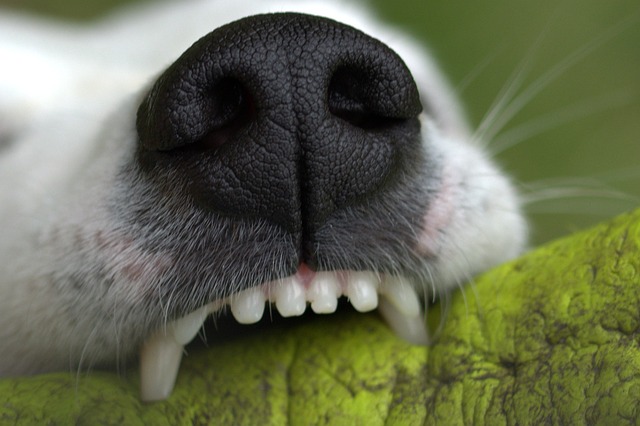
The most important thing to remember is your pet deserves the very best care you can provide. Dental care can be scary and expensive but there are ways to prevent problems and offset costs. Always discuss your pet’s needs with your vet and enjoy many happy years together.
 harleys hope