

April has been designated as National Heartworm Awareness month which makes this the perfect time to discuss how to prevent and treat infection. The prevalence of heartworm in Colorado began to rise dramatically after 2013 and continues to be very high here compared to the rest of the country. There are a few reasons this is happening. Historically, because heartworm is spread by mosquitos, Colorado’s dry climate did not lend itself to high infection rates so many people were not using preventive protection. However, Colorado continues to have a large influx of residents from other areas of the country and already infected dogs can pass the infection on to mosquitoes which then bite another dog and spread the parasite. Also, many Colorado dogs go on hiking and camping adventures meaning they are often exposed to the areas prone to mosquitoes. Harley’s Hope has already assisted in two cases of heartworm this year, one in a three-year-old dog and another in an eight-year-old dog. Luckily, both dogs are expected to recover but that is not always the case. Heartworm can be fatal so prevention is incredibly important.
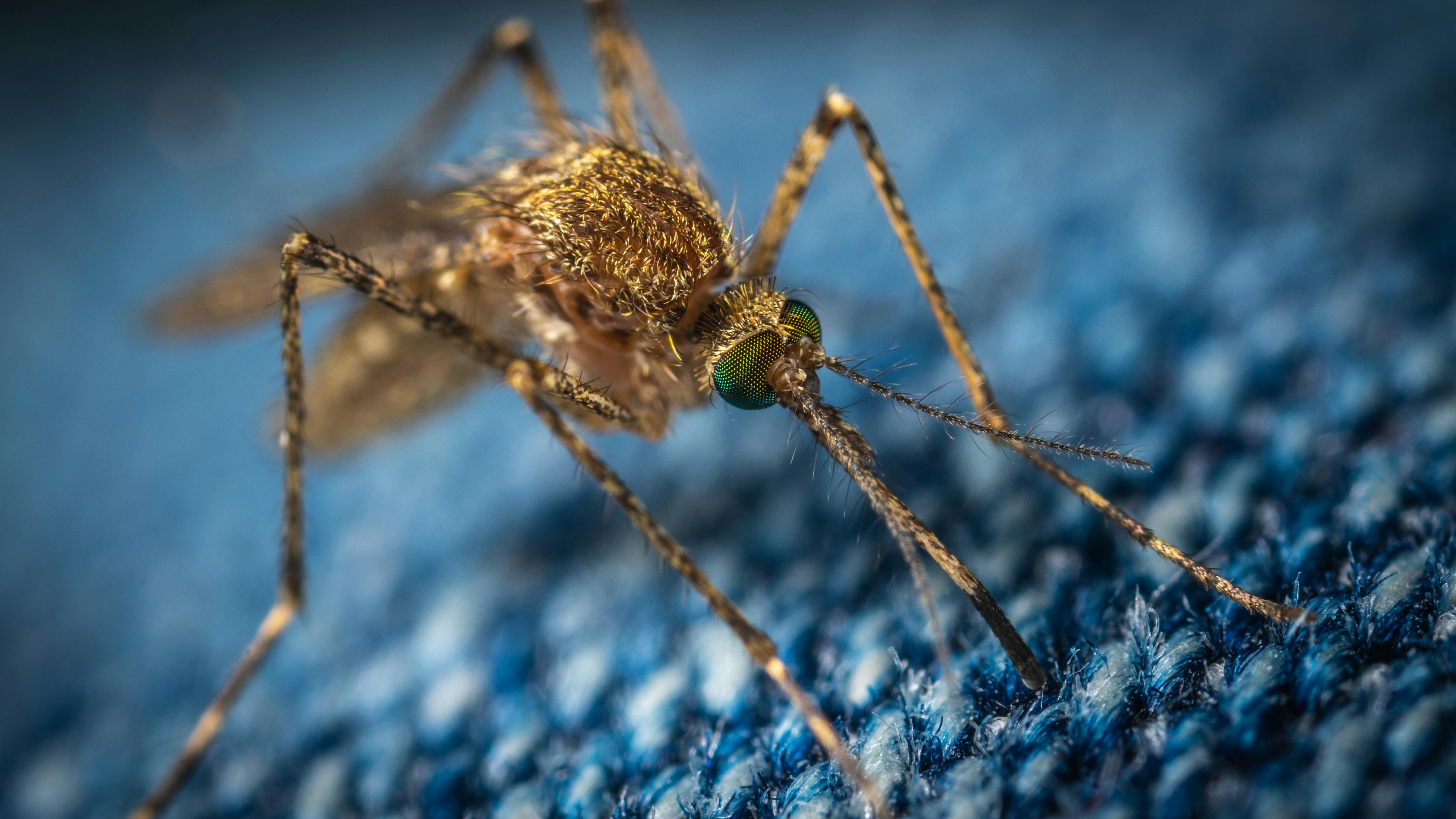
Many pet owners do not have a good understanding of what heartworm actually is. Heartworms are foot-long worms that live in the heart, lungs, and blood vessels of infected animals, primarily dogs. They can cause heart failure and other organ damage. It is a parasite transmitted by mosquitoes. The parasite eggs travel in the bloodstream to the lungs and heart where they hatch and grow. Often animals will not show any outward signs of infection until the worms have developed and are affecting heart and lung function. At that point, a dog may begin to cough, lose its appetite, or have difficulty breathing. Treatment becomes more difficult and less effective as the infection progresses and, since symptoms often do not show right away, the first signs of heartworm may be too late. Cats will cough, may show respiratory distress, or vomit. For cats, there is no proven, effective cure so treatment focuses on managing symptoms rather than curing the infection.
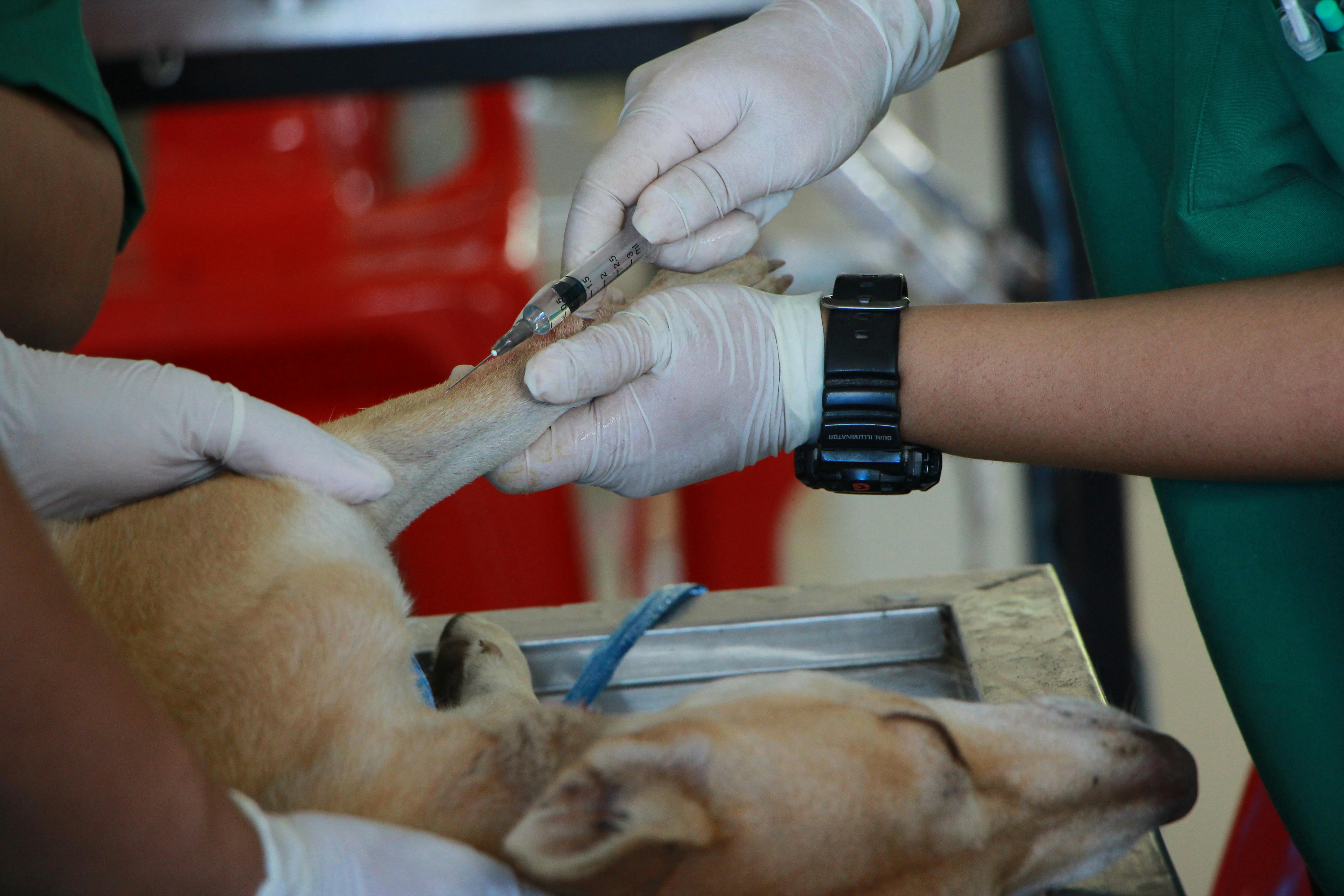
Treating an active heartworm infection can be difficult and expensive. Effective treatment may include injections, pain management, or even hospitalization. Luckily, there are preventatives that work extremely well. The American Heartworm Society recommends pets be tested for infection every year and that preventive treatment be used year-round. Preventives include monthly pills such as Heartgard or NexGard which can be purchased over the counter and are based on body weight. Another option is a yearly injection given by a veterinarian. As always, your vet can help you determine what is best for your pet and your situation. Heartworm is a scary and often fatal infection but with a little foresight it can be prevented so talk to your vet and learn how you can best protect your most vulnerable family members.
 harleys hope