

Maureen Georgiadis
Maintaining your pet’s annual checkups and vaccination schedule is imperative to ensure your pet lives a long, healthy, and happy life. Routine yearly exams establish your pet’s baseline, allowing your veterinarian to monitor deviations from your pet’s norm. Also, keeping your pet up to date on vaccinations can significantly reduce the risk of serious illness in your pet.
Our pets cannot communicate when something is wrong or when they are not feeling well. Sometimes, we can observe behavioral changes, such as not eating or acting restlessly. Still, other times, our pets will hide their symptoms. One theory is that they may intentionally hide their pain because, in the wild, signs of weakness or pain can make them susceptible targets for predators (Boudreau, 2024). Also, some illnesses, such as cancer, can take a long time to present themselves symptomatically. Regular checkups can help identify these problems early. Your vet will examine your pet from head to tail, including checking their eyes, teeth, skin, and hair coat. They will listen to your pet’s heart and lungs.
Furthermore, they will palpate your pet to feel for any abnormal growth. They will monitor your pet’s weight and eating habits. If anything looks amiss, they can run blood, fecal, or urine tests to help identify abnormal changes to your pet’s health.
Regular dental cleanings help remove tartar and plaque from your pet’s teeth. Your pet’s oral cavity is assessed, including probing dental sockets to check for dental disease. This cleaning and assessment helps prevent bacteria from causing infection in the mouth and other organs and tooth loss (Vetstreet Team, 2011).
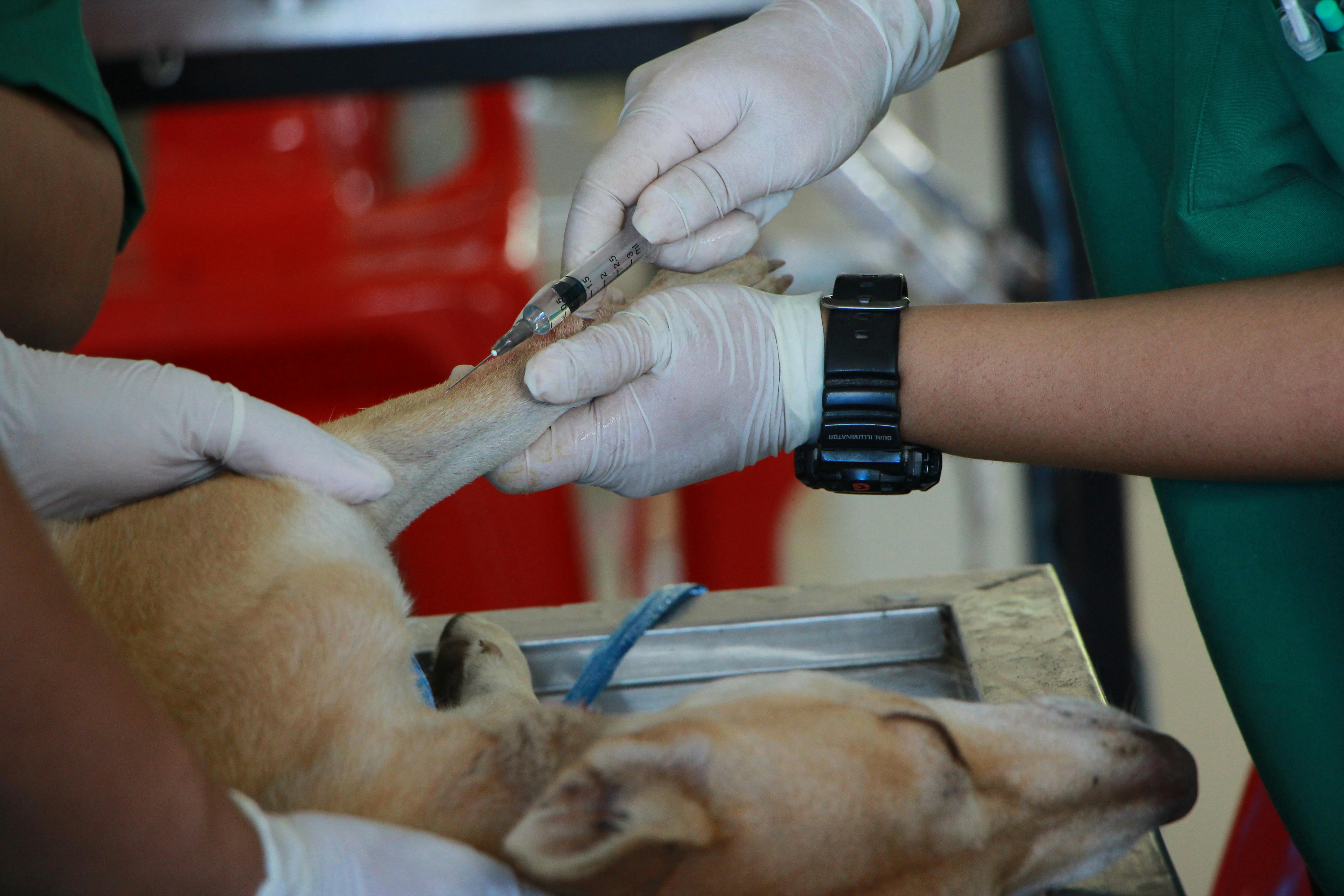
Along with having an annual checkup, your vet can also administer any vaccinations your pet is due for. Vaccinating your pet will protect it from diseases such as parvovirus, rabies, distemper, and panleukopenia. Wildlife can also carry many diseases, so the threat can never be eliminated. (AAHA, 2019). Most importantly, it is crucial to vaccinate your pet against rabies. Rabies is a severe, fatal disease that is transmissible to humans. Most towns have laws requiring your pet to be vaccinated against rabies by your veterinarian so that they are issued a rabies tag. Be sure to check with your city and know the legal requirements of pet ownership within town limits.
Some pets can be sensitive to vaccine components, but no medication or vaccine is without risk. Severe vaccine reactions are rare, with mild side effects (AAHA, 2019). Discussing vaccinations with your vet and voicing your questions or concerns is essential. Your vet will help develop an appropriate vaccination schedule for your pet.
Another significant benefit of regular checkups is the cost-effectiveness of preventive care. Although the annual veterinary exam can seem costly at the time, it can help prevent the much larger costs of diagnostics, lengthy treatments, and hospitalization. A notable example of this is the cost of treating heartworm in dogs, which can range from $500 to $6,000, depending on various factors such as the dog’s size, your location, and treatment method (Sy, 2024). Additionally, treatment can take months, accompanied by strict exercise restrictions (Sulik, 2025).
Heartworm prevention, available as a prescription from your vet, can range from $6 to $18 per month (Sulik, 2025). This is just one example of the many conditions for which annual veterinary exams can help keep costly veterinary expenses down. With yearly exams, early intervention can treat diseases before they become serious and much more expensive.
Visiting with your pet’s veterinarian every year also helps foster trust and a strong veterinarian–owner relationship. Your vet will have a well-established history of your pet’s overall health throughout the years, allowing for better communication and a deeper understanding of your pet’s medical and nutritional needs. Medicine is constantly evolving with new technology and medications. With so much misinformation, your vet can be a trusted source of current, reliable information.
As the old proverb goes, “an ounce of prevention is worth a pound of cure.” Annual exams, regular dental care, and vaccine maintenance will help ensure your pet lives a long, healthy life and decrease your veterinary costs. Consider your vet a partner in managing your pet’s well-being and longevity.
American Animal Hospital Association. (2019, June 21). Should My Pet Be Vaccinated?
https://www.aaha.org/resources/pet-vaccination/

Boudreau, S. (2024, June 13). Why Preventive Medicine Is Key to Pet Health. Virginia Tech News
https://news.vt.edu/articles/2024/06/vetmed-pet-preventive.html

Sulik, K. (2025, April 29). Heartworm Treatment Costs for Dogs: What to Expect When Treating Heartworm in a Dog.  petMD by Chewy.
https://www.petmd.com/dog/parasites/how-much-does-heartworm-treatment-cost-dogs

Sy, M. (2024, December 16). Good RX, How Much Does Heartworm Treatment for Dogs Cost?  Good RX. https://www.goodrx.com/pet-health/dog/heartworm-treatment-cost-for-dogs

Vetstreet Team. (2011, July 3). Dental Cleaning for Dogs and Cats. https://www.vetstreet.com/care/dental-cleaning-for-dogs-and-cats#:~:text=Dental%20Cleaning%20for%20Dogs%20and%20Cats%201%20Eighty-five,assess%20the%20health%20of%20the%20mouth.%20More%20items)
 harleys hope