

Shontel Moulton
Cancer is a disease that not only affects humans, but also our pets. There are many types of cancer, numerous risk factors, and myriad symptoms. Since it is such a wide-ranging disease, it is important to be aware of what kind of risk your pet may face. There are multiple reliable resources online, such as the American Veterinary Medical Association and the National Institute of Health. As always, it is most important to discuss the issues and risks to your individual pet with your veterinarian.
Over the course of their lifetime, 1 in 4 dogs will develop some kind of cancer. In dogs that live over 10 years, that number increases to nearly 1 in 2. Although any dog may develop any type of cancer, some breeds are more susceptible than others. Pure breeds and large breeds are some of the most often diagnosed. Golden retrievers tend to have the highest number of incidences, specifically of lymphoma and blood cancers. German shepherds are also at high risk of blood cancers, whereas beagles are often diagnosed with bladder cancers. Nearly one-third of all tumors found in dogs of all breeds are skin cancers.
Cats are slightly less likely than dogs to develop cancers, with about 1 in 5 being diagnosed over their lifetime. This may be because cats are less likely to be diagnosed due to their notorious habit of hiding pain and illness. As with dogs, some breeds of cat are more susceptible, specifically pure breeds. Siamese are most at risk with high incidences of mammary cancer, followed by Sphinx and Persian breeds. Cats are most likely to develop tumors in their digestive organs, eyes, nose, and lymph nodes.
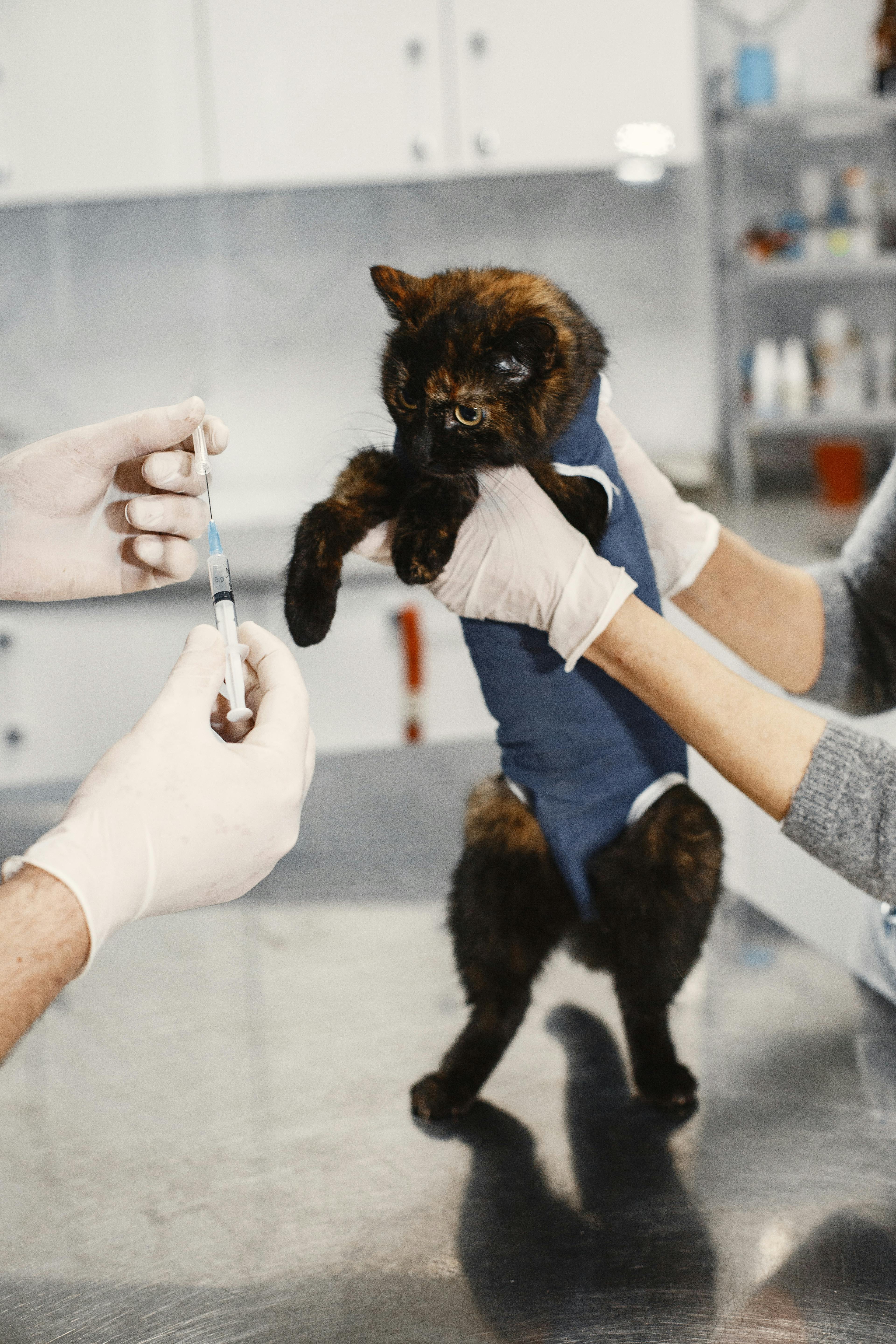
It does appear that cancer rates are rising among pets, specifically dogs; however, some studies have suggested this is due to longer lifespans and better health testing. Other factors may include exposure to carcinogens like second-hand smoke, herbicides, and insecticides. Cats are especially susceptible to exposure to older generation insecticides. Just like with people, lifestyle can also play a role, with obesity being one of the highest risk factors.
The idea of your pet facing a cancer diagnosis is a daunting one, and the statistics can be downright scary. However, being aware of the risks is the most important step you can take to keep your pet healthy. Armed with that knowledge, you can discuss the risks, appropriate testing, and necessary treatments with your veterinarian.
 harleys hope