

Maureen Georgiadis
Your best four-legged friend has cancer, and your mind begins to race with so many questions. How much longer does my pet have to live? Will they suffer or be in pain? Is there a treatment or cure, and what will be the cost? What exactly is the price of cancer, both financially and emotionally?
Being told that your pet has cancer can be devastating. The future is uncertain, and you want to do everything possible to save your pet, but at what cost? Fortunately, the Veterinary Cancer Society breaks this cost down, beginning with the consultation fee, which can run between $125 to $250. Chemotherapy can range from $150 to $250 per dose. This will depend on the type of drug and whether it is administered orally or intravenously. Included in this fee are the recheck exam, blood work, chemotherapy preparation, and administration costs. The radiation cost for a palliative protocol can range from $1,000 to $1,800, whereas a curative treatment can cost between $4,500 and $6,000. Ultimately, the cost of surgery will depend on the type and location of the tumor (Veterinary Cancer Society).
According to the Veterinary Cancer Society, there are some ways that you can get some financial help for the cost of cancer treatment. Many institutions have funds available to help pay for the cost of treatment. One such institution is the Animal Cancer Foundation, which provides a list of financial resources on its website. Also, Cancer clinical trials may be partially or fully funded. Furthermore, there is the option to purchase pet insurance with a separate cancer rider (Veterinary Cancer Society).
When the cancer prognosis is poor, palliative care is another option that pet owners may want to consider. Palliative care is a recent concept in the veterinary industry, focusing on the animal’s quality of life by increasing comfort and alleviating suffering. The animal’s pain and other clinical symptoms, such as wound care, hydration, or nutritional needs, are treated and managed. Palliative care also encompasses the pet’s social, emotional, and physical well-being, as well as the emotional, social, and spiritual well-being of the owners. It prepares owners for their pet’s death and aids them with their grief (Paz et al., 2024).
Palliative care can vary widely in pets. Some pets may be able to be managed simply with pain medication. Other animals may require radiation or surgery to improve comfort and quality of life (Cannon & Ryan, 2018). It is essential to discuss your options with your veterinarian so that you can both create a palliative care plan tailored to your pet’s specific comfort and needs.
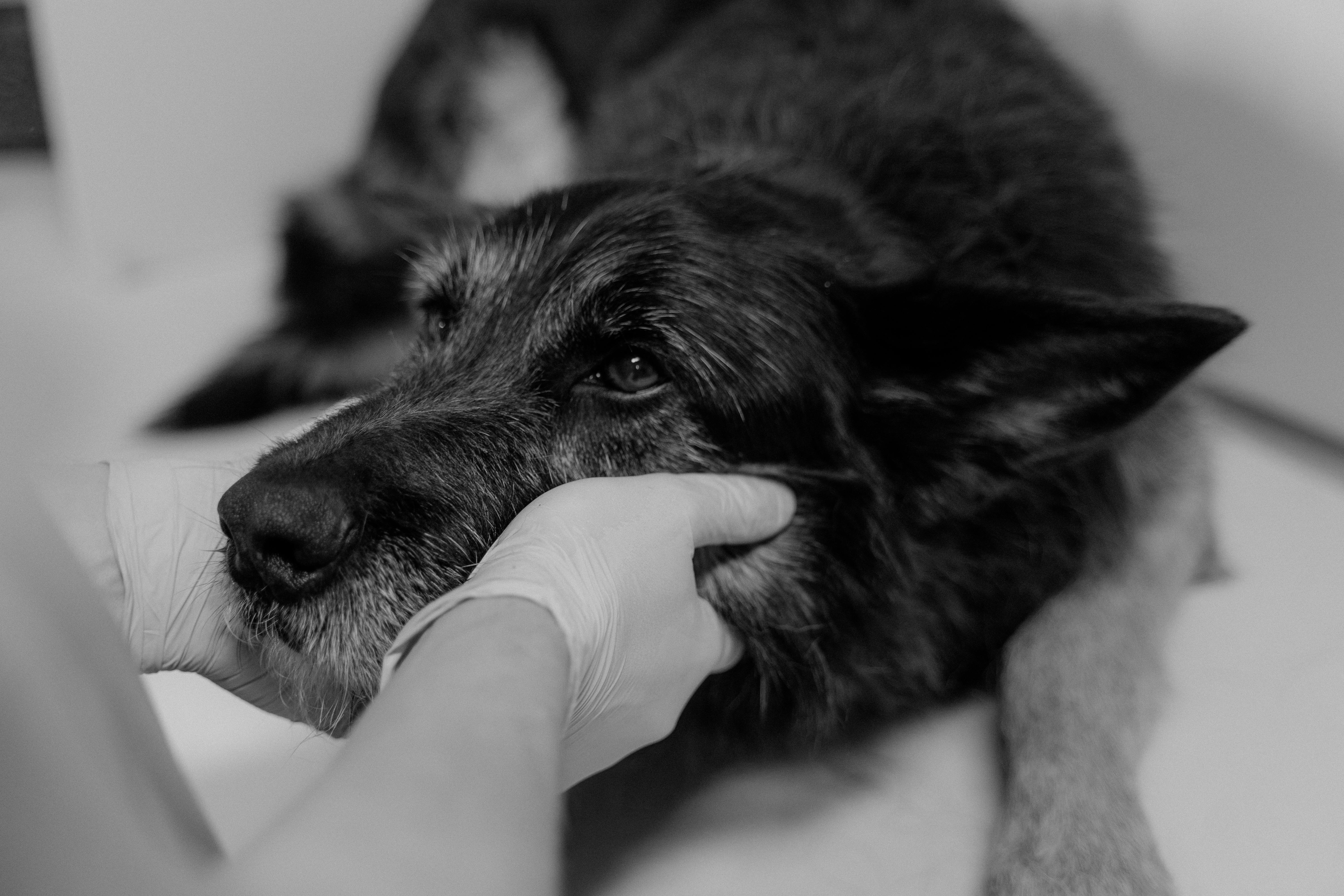
Finally, but importantly, is the emotional cost of both watching a pet suffer and losing a beloved pet. Our pets provide us with unconditional love and support during both good times and bad. Just having their presence around us gives comfort and relief from stress and loneliness. Moreover, our pets have much shorter lives than we do. A pet becomes a part of your life and family, so when the time comes to say goodbye, losing a pet that was always there can be an enormous loss. Combine that with also having to decide to euthanize a pet humanely. Not only is there a deep sense of loss, but guilt often arises about whether the decision was the right one. Because of this, it is essential to consult with a trusted veterinarian and family members (Cleveland Clinic, 2021).
Sometimes the emotional toll of grieving the loss of a pet can be overwhelming. Fortunately, there is help available to guide pet owners through their grief. One such organization is called Lap of Love. Lap of Love provides free group support and paid one-on-one support. It also provides courses about the grieving journey. Reaching out to a trusted friend or family member to talk about the loss of your pet may also help. Some places of worship may also provide bereavement support for pet loss. There are also many ways to memorialize a pet, such as scattering their ashes, planting a tree, creating a memory box, or writing about them (Humane World for Animals).
The cost of cancer in our beloved pets can be significant. However, numerous good resources are available to help with both the financial and emotional costs. As medicine and technology advance, hopefully, even better treatments and medicines will become available for our four-legged friends.
Cannon, C. Ryan, & Ryan, S. (2018). Palliative Care and Nutritional Support in Canine and Feline Cancer Patients. World Small Veterinary Association Congress Proceedings. https://www.vin.com/apputil/content/defaultadv1.aspx?pId=22915&id=8896610

Cleveland Clinic. (2012, October 4). How to Grieve the Death of a Pet. https://health.clevelandclinic.org/grieving-the-loss-of-a-pet

Humane World for Animals. How to Cope with the Death of Your Pet. https://www.humaneworld.org/en/resources/how-cope-death-your-pet#:~:text=The%20Pet%20Compassion%20Careline%2C%20which%20provides%2024%2F7%20grief,a%20grief%20counselor.%20Everlife%20Support%20Groups%20by%20state.

Lap of Love Veterinary Hospice and In-Home Euthanasia. Pet Loss Support. Lap of Love. https://www.lapoflove.com/our-services/pet-loss-support

Paz, B.F. et al. (2024, July 12). Practical Principles of Palliative Care in Veterinary Oncology: Alleviating the Suffering of the Animal, Owner, and Veterinarian. https://onlinelibrary.wiley.com/doi/10.1155/2024/5565837?msockid=23f31d63dcff6d5136f20c2cd8ff6bfe

Veterinary Cancer Society. Pet Owner Resources. Veterinary Cancer Society. https://vetcancersociety.org/resources/pet-owners/pet-owner-resources/
 harleys hope