
By Maureen Georgiadis
We would do anything for our beloved pets to keep them happy, healthy, and safe. We take them to their annual veterinary visits for vaccines and checkups. We take them to get groomed and buy them their favorite foods, treats, and toys. And in return, they provide us with endless love and affection. They are our best friends and make our families complete. But what happens when they get too much of a good thing, such as too many favorite treats, too much food, or unhealthy table scraps? Then, combined with a lack of exercise and play, pets gradually gain weight.
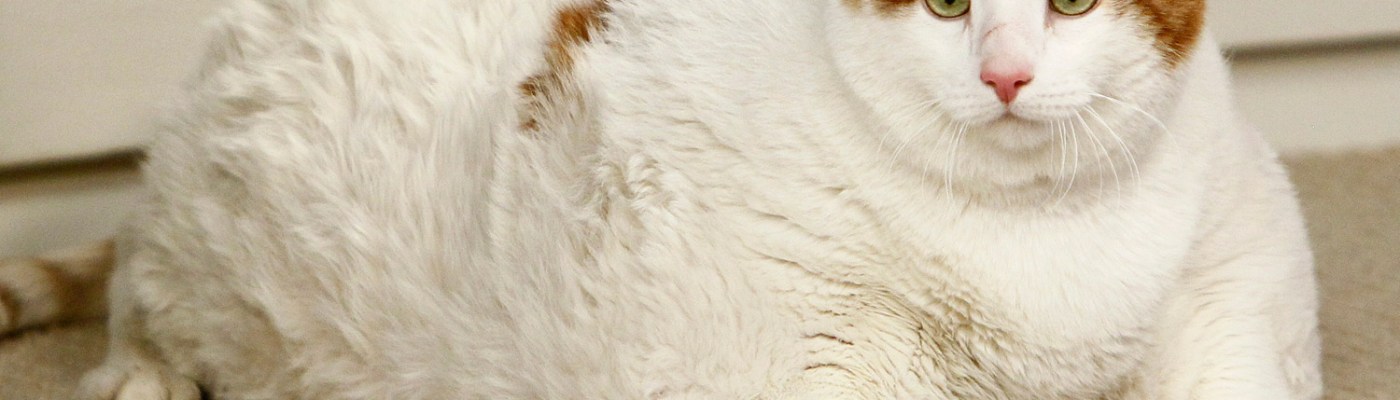
It’s estimated that about 51% of dogs and 55% of cats are obese (Association for Pet Obesity Prevention, April 2025). Weight gain in pets can start unnoticeably since it can happen gradually. We tend to get accustomed to the slight changes in weight and not notice the slow progression of them becoming overweight or even obese. However, internally, changes are happening. The heart must work harder to pump blood, which can lead to heart failure. Disruption in insulin function can lead to diabetes. Excess weight begins to wear and tear on your pet’s joints, leading to arthritis and decreased mobility. Your pet will have difficulty breathing, making them more susceptible to heat stroke. (Chandler, et al., 2017). These chronic conditions will set in, causing your pet’s health to decline and reducing their quality of life.
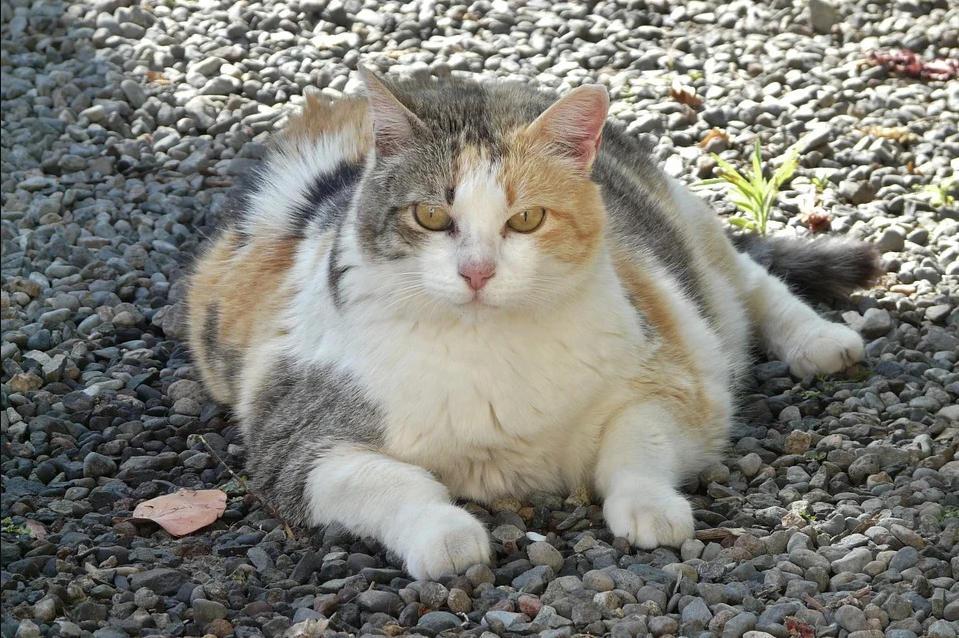
Weight gain can have a metabolic cause, such as hypothyroidism or an underactive thyroid. However, it is generally caused by more calories being consumed than expended. Indoor animals are at a greater risk of being overweight due to decreased activity levels (Patterson Veterinary Academy, 2016). One way to monitor whether your pet is at their ideal body weight is by using Body Condition Scoring, or BCS. Veterinarians use this method to assess a pet’s body fat and overall physical condition. This system is based on a scale from 1 to 9; a score of 1 indicates a pet is severely underweight, and a score of 9 reflects severe obesity (Journal of the American Animal Hospital Association, 2010; Pet Townsend Veterinary Clinic). Ensuring your pet sees the vet regularly for checkups is also a good way to monitor your pet’s body weight.
To maintain a healthy weight, feed your pet a balanced, nutritious diet formulated for their specific age and activity level. The amount of food fed will depend on your pet’s metabolism. Avoid table scraps because they can be high in fat and sodium. Feeding 2 to 3 small meals a day rather than keeping a full bowl available throughout the day helps your pet to utilize calories efficiently and store less fat. Pet treats should also be considered calories, and their overall diet should be adjusted for those extra calories (Patterson Veterinary Academy, 2016).
Increasing your pets’ activity levels, such as playing or walking outside, will help them burn more calories and stay in shape. If your pet is already overweight, be sure to start slowly because they may already be suffering some of the side effects of being overweight. But as their stamina increases, their weight will come off, and they will start to look and feel better.
It is essential not to cause weight loss too quickly. Cats cannot metabolize fat too quickly without suffering the ill effects of rapid weight loss. Work with your veterinarian to establish an ideal body weight and timeline for weight loss.
Maintaining a healthy weight for your pet with balanced and nutritious food, along with adequate exercise and play, will help your pet live a longer life and a better quality of life. Your pet will feel great and have the energy they need to live a happy, long life by your side.
Association for Pet Obesity Prevention. (2025, April). 2024 Pet Obesity and Nutrition Survey Highlights. Association for Pet Obesity Prevention. https://www.petobesityprevention.org/2024-survey

Journal of American Animal Hospital Association. (2010). Body Condition Scoring (BCS) Systems. https://www.aaha.org/wp-content/uploads/globalassets/02-guidelines/weight-management/weightmgmt_bodyconditionscoring.pdf

 Pet Townsend Veterinary Clinic. Body Condition Scoring (BCS) for Pets. https://pettownsendvet.com/blog/body-condition-scoring-for-pets/

M. Chandler, S. Cunningham, E.M. Lund, C. Khanna, R. Naramore, A. Patel, M.J. Day (2017). Obesity and Associated Comorbidities in People and Companion Animals: A One Health Perspective. Journal of Comparative Pathology, Volume 156, Issue 4, Pages 296-309. https://doi.org/10.1016/j.jcpa.2017.03.006.
(https://www.sciencedirect.com/science/article/pii/S0021997517301226)

Patterson Veterinary Academy.  (2016, July 14). The Truth About Obesity in Pets [Video]. Youtube. https://www.youtube.com/watch?v=OZGuyNdRm-c
 harleys hope